The Future of Natural Gas: Balancing Energy Costs and New Regulations
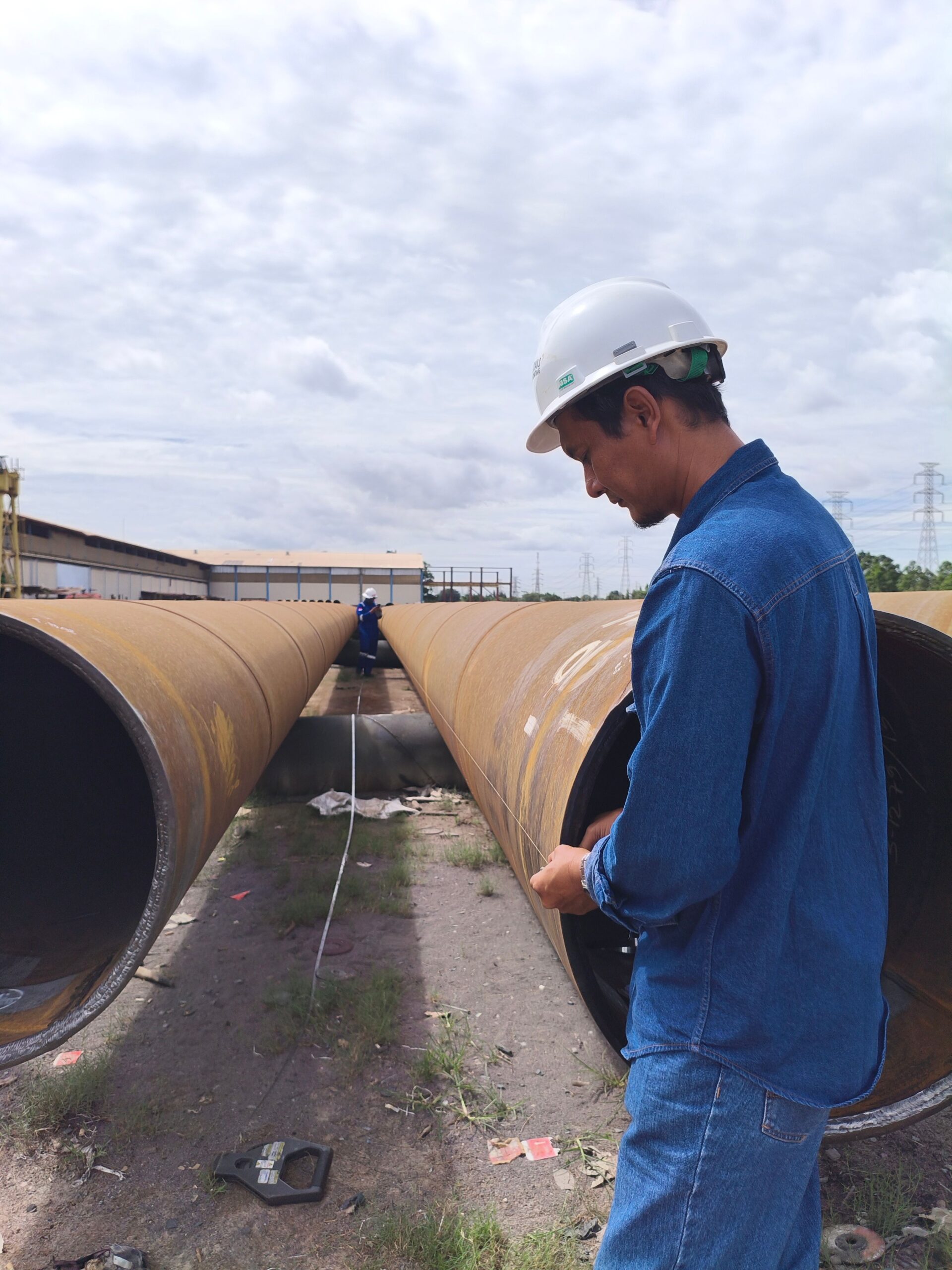
For many households across the United States, natural gas remains a primary source of energy for heating homes and cooking meals. Industry experts often point to natural gas as one of the most affordable utility options for American families. However, a growing debate is emerging between energy providers and government regulators regarding the future of this infrastructure.
At the center of the discussion is the role of 'red tape,' or complex government regulations. The American Gas Association suggests that new policies and stricter permitting processes are making it harder to maintain and expand the current gas network. They argue that these administrative hurdles could lead to higher costs for consumers and potential delays in energy delivery.
On the other side, regulators emphasize the importance of safety and environmental standards. As the United States works toward long-term climate goals, government agencies are reviewing how natural gas infrastructure impacts the environment. These officials argue that updated rules are necessary to ensure that energy systems are modern, safe, and aligned with national sustainability targets.
For the average American, the impact of these changes remains uncertain. While energy companies warn that increased regulation could drive up monthly bills, supporters of the new rules believe they are essential for a cleaner energy future. Balancing the need for low-cost energy with the demand for updated safety and environmental standards is a key challenge for policymakers today.
As the debate continues, consumers are encouraged to stay informed about local utility policies. Whether through legislative changes or shifts in energy technology, the way Americans heat their homes is likely to evolve in the coming years. Both industry leaders and government officials will need to work together to ensure that energy remains both reliable and affordable for everyone.