The Future of U.S. Global Health Agreements Under the New Administration
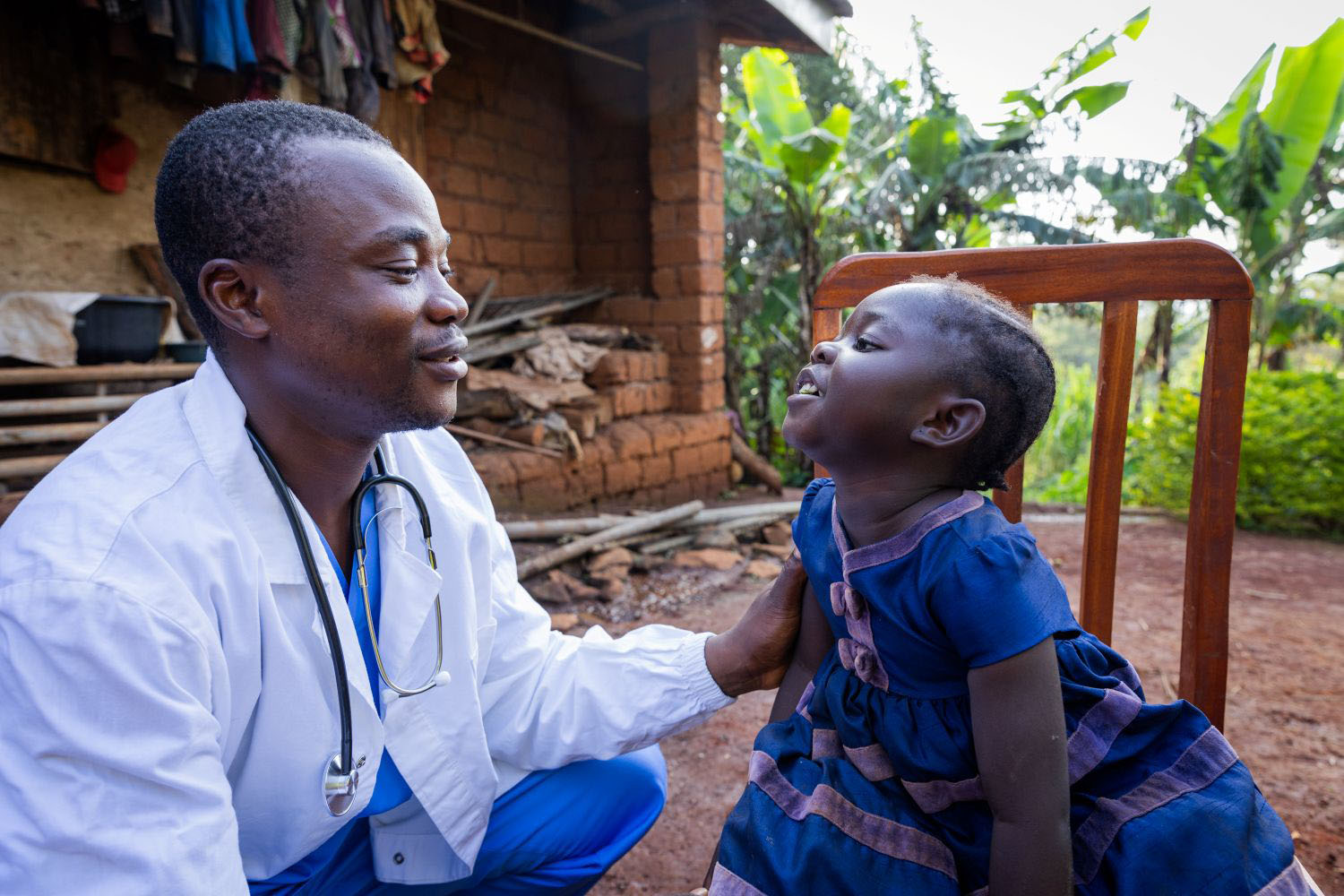
As the new presidential administration begins its term, many experts are looking closely at the future of United States global health policies. These agreements involve how the U.S. works with other countries to stop diseases, support medical research, and improve healthcare systems around the world. These partnerships are important because they protect Americans from international health threats and help maintain global stability.
One major area of focus is the funding of international health organizations. In the past, there have been debates about how much money the U.S. should contribute to global groups like the World Health Organization. The new administration must now decide which programs to continue, which to change, and which to stop. These decisions will affect how quickly the world can respond to future pandemics or health emergencies.
Another key issue is the role of the U.S. in developing new vaccines and medicines. Many current agreements help share scientific information between countries. Supporters of these programs argue that this cooperation is essential for American health security. However, some policymakers are reviewing these deals to ensure they prioritize the interests of U.S. citizens and taxpayers.
Finally, the administration is evaluating how to balance domestic health needs with international responsibilities. While there is a strong focus on improving healthcare within the United States, global health experts warn that ignoring international issues could lead to bigger problems at home later. The coming months will be important as the government clarifies its official position on these long-standing international commitments.