Understanding the Economic Factors Behind Modern American Politics
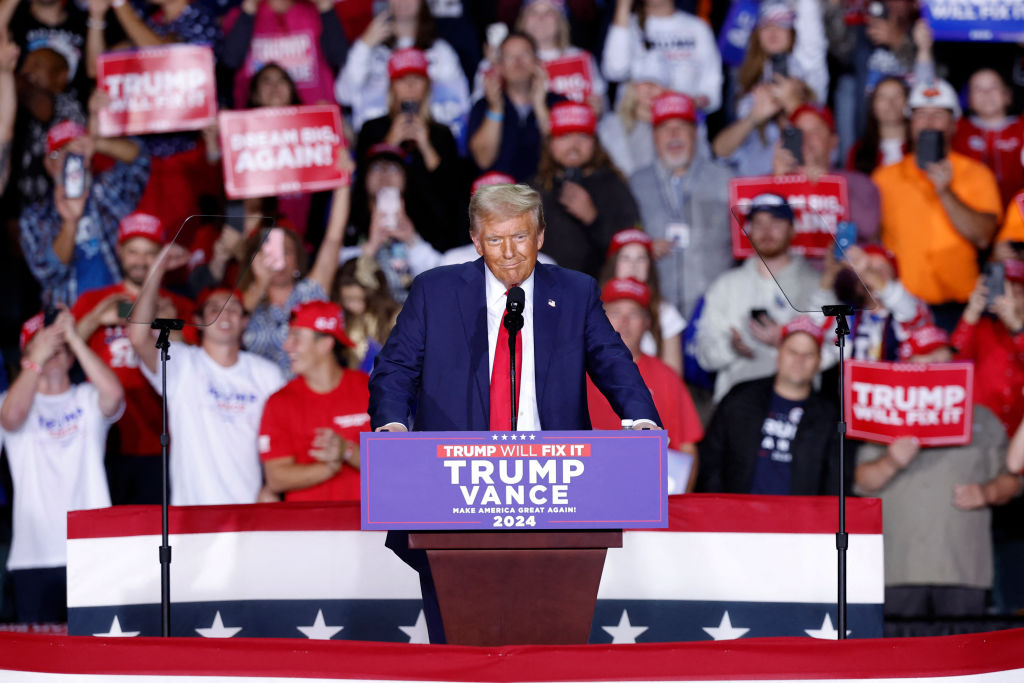
In recent years, American politics has experienced a significant shift, marked by the rise of the 'MAGA' movement. Political analysts and economists are currently studying the root causes of this change, focusing heavily on the long-term economic trends that have shaped the lives of citizens across the United States.
One of the primary factors identified by experts is the growing level of economic inequality over the last several decades. Many Americans in the working and middle classes have reported feeling left behind by a changing global economy. As manufacturing jobs moved overseas and the cost of living increased, many families saw their purchasing power decline, leading to widespread frustration with the political establishment.
This economic dissatisfaction has created a unique environment for political change. When large groups of people feel that the current system no longer provides them with the opportunity for upward mobility, they often look for alternative political voices. The MAGA movement successfully tapped into these concerns, promising to prioritize domestic industry and protect the interests of workers who felt ignored by traditional policy.
Beyond just economic numbers, these trends have changed how Americans view their government. There is a growing debate about whether current economic policies are working for everyone or only for a small group of wealthy individuals. This conversation is expected to remain a central theme in upcoming elections as candidates try to address the concerns of voters who are worried about their financial future.
Ultimately, the rise of new political movements in the U.S. is deeply connected to the economic experiences of its people. Whether these shifts will lead to new legislation or further division remains to be seen. However, it is clear that the focus on economic fairness and job security will continue to influence American politics for years to come.