Why the United States Stopped Using Permanent Daylight Saving Time
Twice a year, millions of Americans change their clocks to adjust for Daylight Saving Time. While many people dislike the process of "springing forward" or "falling back," history shows that the United States previously attempted to make daylight saving permanent. In the 1970s, the country experimented with this change, but the results were not what officials expected.
In 1974, the United States government passed the Emergency Daylight Saving Time Energy Conservation Act. The goal was to save energy during a period of high oil prices. By keeping the clocks set forward all year, lawmakers hoped that people would use less electricity for lighting in the evenings. For a short time, the plan seemed popular, with initial approval ratings reaching nearly 80 percent.
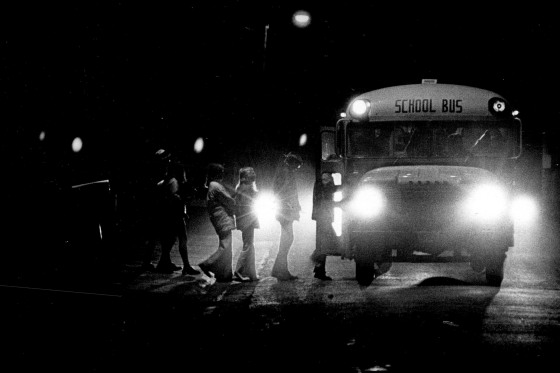
However, public opinion changed quickly once the reality of permanent daylight saving set in. During the winter months, the sun did not rise until much later in the morning. This meant that many children had to walk to school or wait for buses in complete darkness. Parents and teachers expressed serious concerns about safety, leading to a sharp decline in support for the policy.
By the time the trial period ended in 1975, the public had grown tired of the dark mornings. Research also suggested that the energy savings were much smaller than the government had originally predicted. As a result, Congress decided to return to the traditional system of switching clocks twice a year.
Today, the debate over whether to make daylight saving permanent continues in the U.S. Congress. While many Americans still express a desire to stop changing their clocks, the lessons from the 1970s serve as a reminder of the challenges involved. Policymakers must now balance the benefits of longer evenings against the safety concerns of dark winter mornings.