U.S. Media Access Debates Spark Discussion on Press Freedom
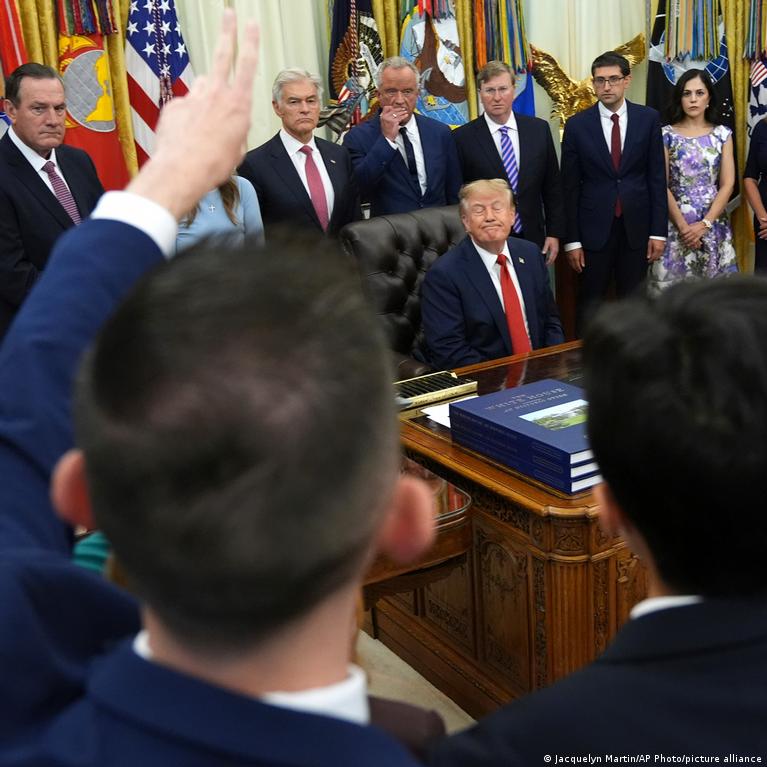
Recent discussions regarding media access to the White House have brought the relationship between the government and the press back into the national spotlight. In the United States, the role of journalists is protected by the First Amendment, which guarantees freedom of the press. This constitutional right is intended to ensure that the public remains informed about the actions and policies of their elected officials.
Historically, the White House has maintained a system of press credentials, allowing specific reporters to attend briefings and ask questions. However, tensions can arise when administrations feel that certain news organizations are biased or unfair. When officials choose to limit access for specific outlets, it often leads to legal challenges and public debates about the boundaries of executive power and the necessity of independent reporting.
Supporters of restricted access often argue that the administration has the right to manage its own media environment and prioritize outlets that provide balanced coverage. Conversely, media advocacy groups argue that blocking specific journalists undermines the democratic process. They believe that a free press must include diverse perspectives, even those that are critical of the current administration.
As these debates continue, they highlight the ongoing challenges of communication in a digital age. With the rise of social media and alternative news sources, the traditional relationship between the government and the press is changing. For many Americans, these events serve as a reminder of the importance of media literacy and the role that journalism plays in holding leaders accountable.