Concerns Raised Over New US HIV Policy Agreements
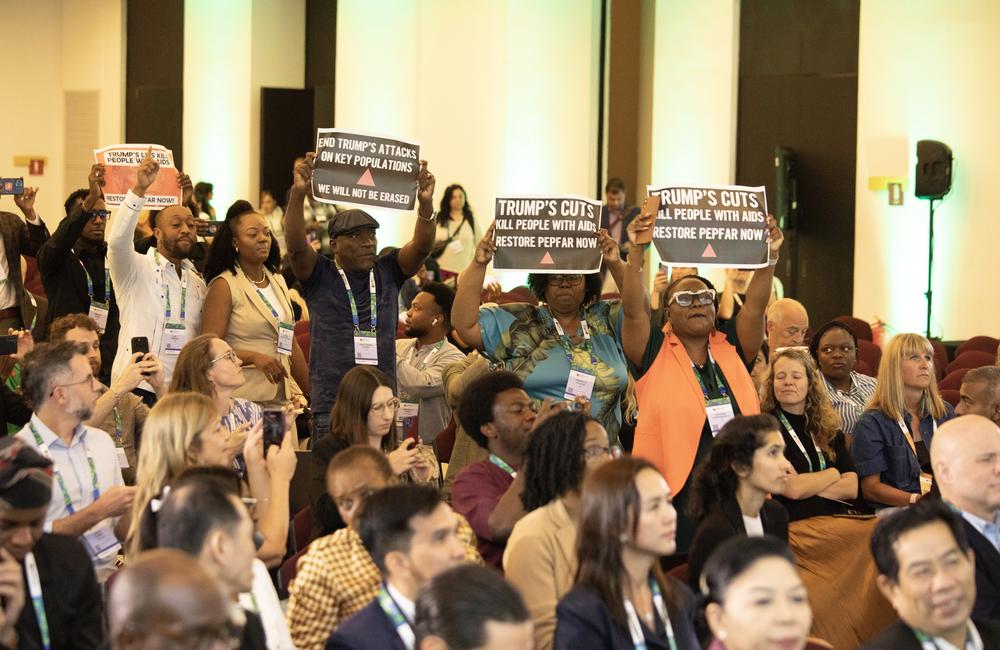
A group of health advocates and community organizations in the United States has expressed significant concern regarding new government agreements related to HIV prevention and care. These critics argue that the new policies were created without enough input from the people who are most affected by the virus, including civil society groups and key populations.
For many years, the U.S. has focused on empowering those living with HIV to help reduce the social stigma associated with the condition. Advocates believe that by excluding these voices from the decision-making process, the government risks creating programs that do not fully address the real-world needs of patients. They argue that community involvement is essential for effective public health strategies.
While the government aims to streamline its approach to HIV, the lack of collaboration has caused tension between officials and health activists. Many organizations worry that if these groups are kept on the sidelines, it will be harder to reach vulnerable populations and provide them with the necessary information and support services.
As the situation develops, health experts are calling for more transparency and better communication between policymakers and the public. They emphasize that the goal of ending the HIV epidemic in the United States can only be achieved if all stakeholders are included in the conversation. The government has not yet issued a formal response to these specific criticisms.