The Growing Conflict Between AI Growth and Local Communities in the U.S.
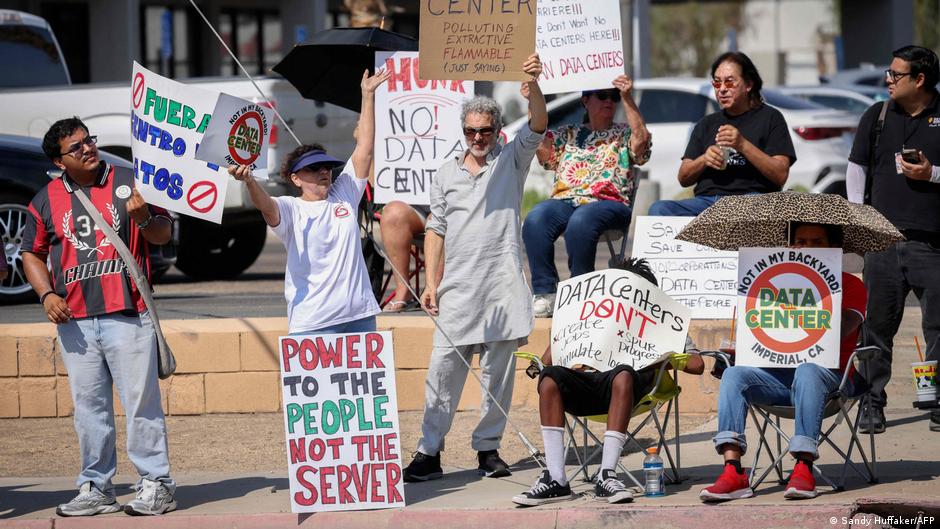
Across the United States, a new debate is emerging regarding the construction of massive data centers. These facilities are essential for the growth of artificial intelligence and cloud computing, but they are facing increasing opposition from local residents and environmental groups. As tech companies look for space to build these power-hungry buildings, many communities are starting to push back.
One of the main concerns for local citizens is the high demand for electricity. Data centers require a constant supply of power to keep servers running and cool. Residents in states like Virginia and Arizona worry that this will lead to higher utility bills and place a heavy strain on the local power grid. Some fear that the energy needs of these centers could even threaten the reliability of electricity for homes and small businesses.
Water usage is another significant issue causing tension. Many data centers use millions of gallons of water every day to cool their equipment. In regions already facing droughts or water shortages, such as the American Southwest, residents are concerned that these tech facilities will deplete local resources. This has led to protests and legal challenges in several towns where new centers were planned.
Despite these concerns, the tech industry argues that data centers are vital for the modern economy. Companies claim that these facilities create high-paying jobs and contribute significant tax revenue to local governments. They are also investing in renewable energy projects, such as solar and wind farms, to offset the environmental impact of their operations.
As the demand for AI technology continues to rise, the tension between tech expansion and community needs is likely to grow. Local governments now face the difficult task of balancing the need for digital infrastructure with the protection of local resources. The outcome of these local debates may set a precedent for how the U.S. manages the physical footprint of the digital age.