President Trump Threatens New Tariffs on Digital Services Taxes
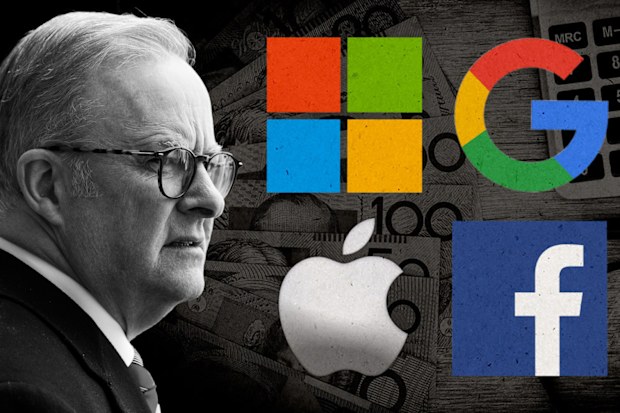
United States President Donald Trump has issued a warning to international partners regarding the taxation of American technology companies. The President stated that he may impose tariffs as high as 100 percent on countries that implement digital services taxes. These taxes are designed by foreign governments to collect revenue from large multinational firms operating within their borders.
Digital services taxes have become a point of tension between the United States and several other nations. Many countries argue that these companies earn significant profits from their local citizens and should therefore pay a fair share of taxes in those markets. However, the U.S. government views these taxes as unfair measures that specifically target successful American businesses.
President Trump’s threat of high tariffs is intended to discourage countries from moving forward with these tax policies. By threatening to tax imported goods from these nations at a much higher rate, the U.S. hopes to protect American corporations from what it considers discriminatory financial practices. This approach is part of a broader strategy to prioritize the interests of U.S.-based technology giants in the global economy.
This policy shift could have significant consequences for international trade relations. If countries continue to implement these digital taxes, they may face higher costs for exporting their own products to the United States. Analysts are now watching closely to see how foreign governments will respond to this pressure and whether they will choose to adjust their tax laws to avoid potential trade conflicts.
As the situation develops, the impact on global markets remains uncertain. The U.S. government maintains that it will continue to defend American companies against policies it deems unfair. Meanwhile, international leaders must decide whether the revenue from digital taxes is worth the risk of a trade dispute with the United States.