New Focus on Addressing Gaps in Women’s Healthcare
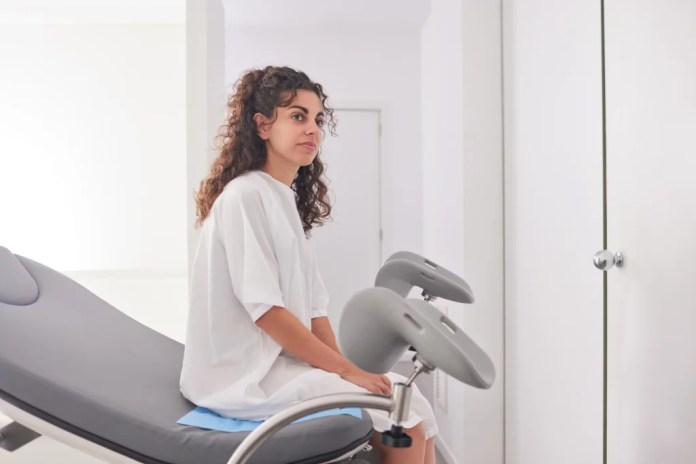
A growing movement in the United States is highlighting significant challenges within the medical system regarding women’s health. Many patients report that their concerns are often dismissed by healthcare providers, even when they are experiencing persistent physical symptoms. This issue has sparked a national conversation about how doctors evaluate and treat women compared to men.
One major concern is the tendency for medical professionals to rely too heavily on standard laboratory tests. When these tests return "normal" results, doctors may sometimes tell patients that there is nothing wrong, despite the patient continuing to feel unwell. Experts argue that this approach can lead to delayed diagnoses for conditions that are difficult to detect through routine blood work alone.
To address these gaps, medical organizations are now calling for more personalized care and better listening skills in clinical settings. Advocates suggest that doctors should spend more time documenting a patient’s full medical history rather than relying solely on data. This shift aims to ensure that women feel heard and that their symptoms are taken seriously by the medical community.
In response to these concerns, some healthcare systems are launching new initiatives to improve diagnostic accuracy. These programs focus on training doctors to recognize the unique ways that certain diseases present in women. By improving communication and education, the goal is to create a more equitable healthcare environment for all patients across the country.