Public Health Debates Grow as RFK Jr. Influences National Conversation
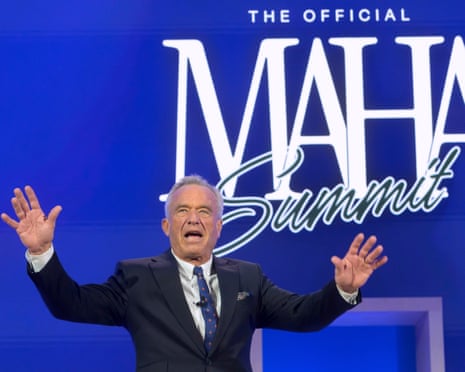
The role of Robert F. Kennedy Jr. in American public health has become a major topic of discussion across the United States. As a prominent voice in national politics, Kennedy has frequently called for a movement to “make America healthy again,” focusing on issues like nutrition, chronic disease, and government regulation of the food industry.
Many Americans are currently debating the effectiveness of his proposed health policies. While some supporters believe his focus on ingredients and additives is necessary to improve the nation's well-being, critics argue that his approach lacks support from the mainstream scientific community. This disagreement has created a divide in how the public views health initiatives and government oversight.
Some experts suggest that the United States could learn from health strategies used in other parts of the world, such as Europe. In many European countries, there are stricter rules regarding food additives and clearer labeling requirements for processed goods. These international models are often cited as examples of how government policy can directly influence public health outcomes.
As the conversation continues, many citizens are looking for clear information about how to improve their daily health. The challenge for policymakers remains finding a balance between personal freedom and the need for regulations that protect the public from harmful substances in the food supply.
Ultimately, the debate surrounding Kennedy’s ideas highlights a growing interest in health reform among the American public. Whether or not his specific proposals are adopted, the national focus on nutrition and wellness is likely to remain a significant issue for voters and government officials in the coming months.