Experts Analyze the Impact of US-China AI Trade Restrictions
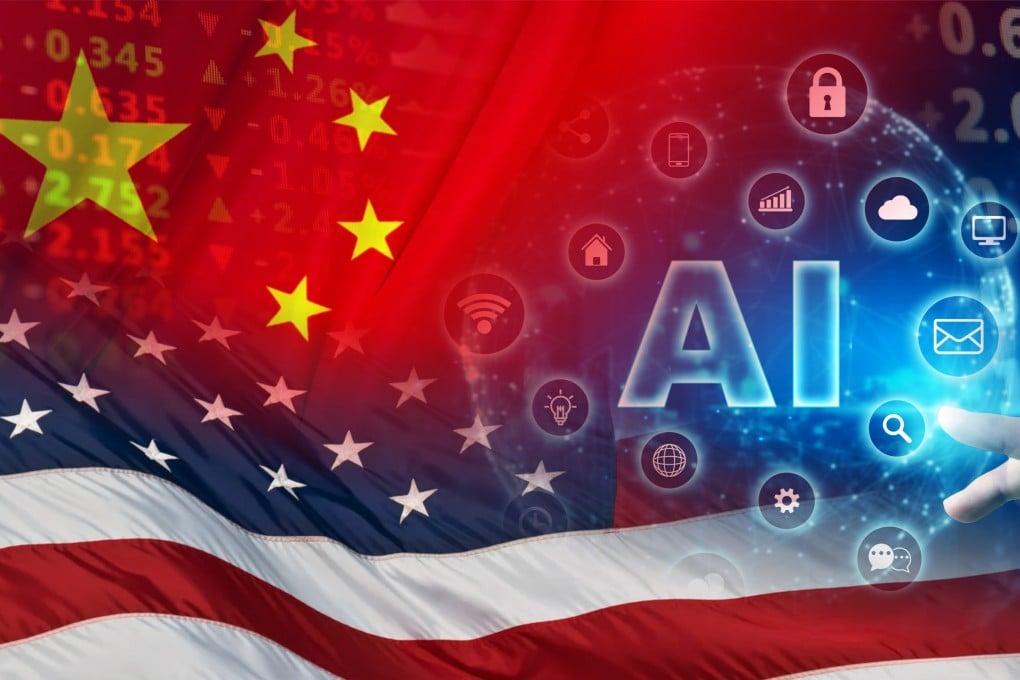
A new report from financial experts at Citi suggests that the ongoing trade separation between the United States and China in the artificial intelligence (AI) sector is currently manageable for the global economy. As both nations continue to tighten regulations on technology, businesses are finding ways to adjust their supply chains and operations to remain functional.
However, the report warns that future government restrictions on advanced technology remain a significant "wild card." These unpredictable policy changes could create sudden challenges for companies that rely on international cooperation to develop AI software and hardware. The uncertainty makes it difficult for businesses to plan long-term investments in the tech sector.
For readers in the United States, these developments are important because they affect the cost and availability of consumer electronics and advanced computing tools. Many American technology firms depend on global partnerships for research and manufacturing. If trade barriers increase, it could lead to higher prices for tech products or slower innovation in the domestic market.
While the current situation is stable, the relationship between the two largest economies in the world remains complex. Analysts are closely watching how new government policies might influence the future of AI development. For now, the tech industry continues to navigate these trade tensions by diversifying where they source their materials and talent.
In conclusion, while the AI trade decoupling has not caused a major crisis yet, it is a situation that requires careful attention. As the United States and China continue to compete in the digital space, the impact on global markets and American consumers will likely remain a key topic for the foreseeable future.