European Union Explores New Defense Partnerships Excluding the United States
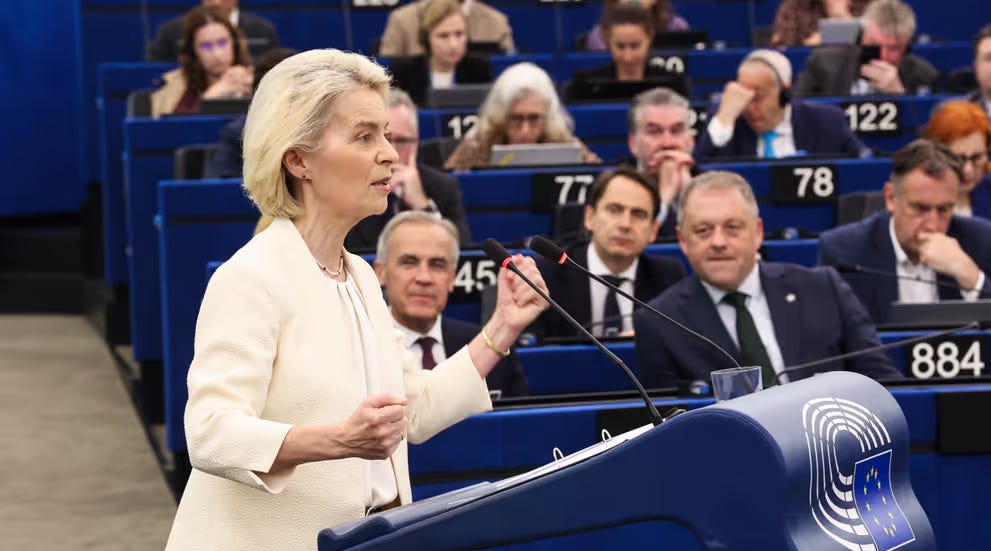
European Commission President Ursula von der Leyen recently discussed the future of European defense cooperation during a major policy address. Her comments highlighted a shift in how the European Union plans to manage its security interests, specifically regarding which nations are invited to participate in new defense initiatives.
In her speech, von der Leyen identified several countries that could collaborate with the European Union on security projects. Notably, she included Canada as a potential partner in these efforts. This proposal has caught the attention of international observers because it suggests a framework that includes North American cooperation while specifically omitting the United States.
Some analysts suggest that this strategy effectively creates a security structure similar to NATO, but without direct U.S. involvement. By focusing on partnerships with countries like Canada, the European Union appears to be testing new ways to strengthen its own defense capabilities independently of American leadership.
This development comes at a time when global security alliances are facing significant changes. While the European Union remains committed to its existing international agreements, this move signals a desire for more autonomy in how the bloc handles its military and strategic planning in the coming years.
As these discussions continue, the international community will be watching to see how this affects the long-standing relationship between the United States and its European allies. For now, the focus remains on how these new partnerships will be defined and what role countries outside of Europe will play in the continent's future defense.