Understanding the Future of U.S.-China Relations
The relationship between the United States and China remains one of the most important topics in global politics today. While many experts focus on military strength or economic competition, some analysts are now looking at deeper, structural factors that influence how these two nations interact on the world stage.
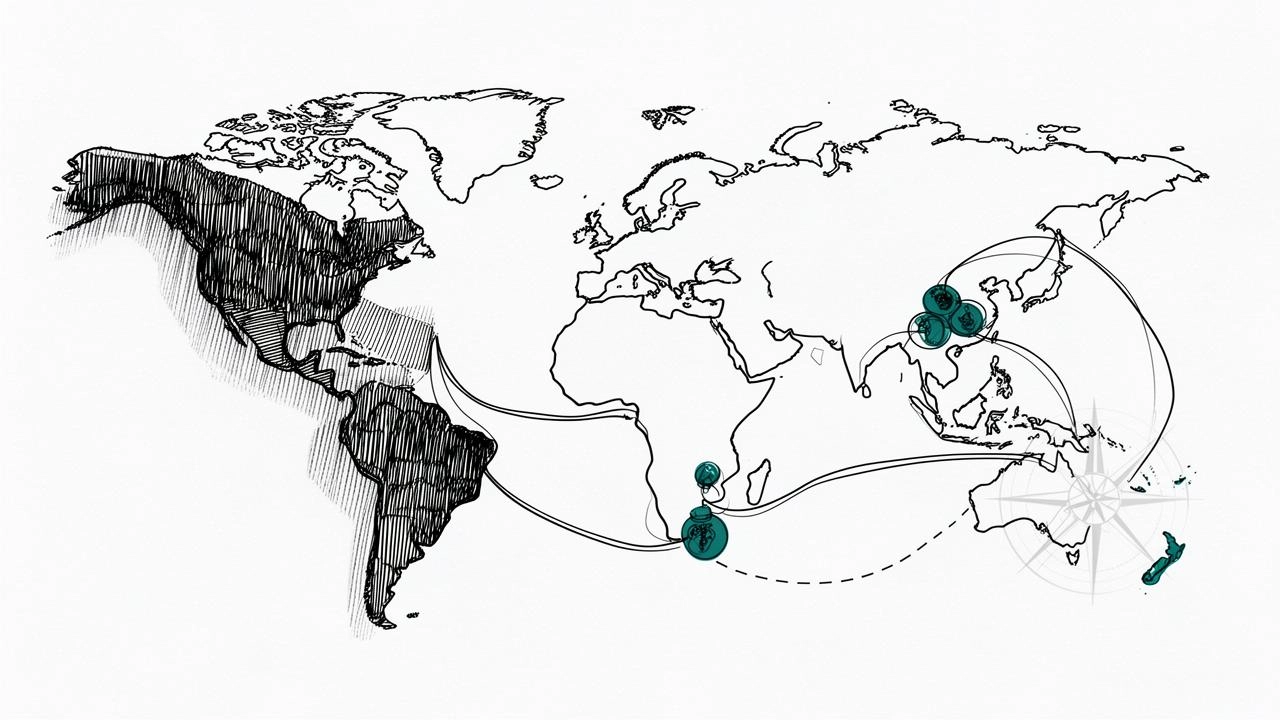
Recent discussions have shifted toward the concept of geography and its role in national power. Some experts argue that the United States benefits from a unique position, surrounded by two vast oceans and friendly neighbors. This natural protection allows the U.S. to focus its resources on innovation and global trade rather than constant border defense.
In contrast, China faces a more complex situation. It shares land borders with many different countries, which requires the government to spend significant time and energy managing regional security. According to some political analysts, these geographical challenges create a different set of priorities for Beijing compared to Washington.
For American readers, these insights help explain why U.S. foreign policy often looks the way it does. Understanding these structural differences is key to following news about trade agreements, international alliances, and defense spending in the coming years.
As the global landscape continues to change, the U.S. will likely continue to balance its domestic needs with its international responsibilities. By looking at long-term factors like geography, citizens can better understand the complex decisions made by leaders in both Washington and Beijing.