Initial Tests Show No Toxic Lead Contamination After Iowa Explosion
Published
U.S. Army officials said a controlled detonation in Iowa on Wednesday was a success. The operation destroyed roughly five tons of lead azide, a dangerous explosive material.
A controlled detonation is a planned explosion that is carefully managed by trained specialists. It is often used to safely get rid of explosive materials that are no longer needed or are unstable. Lead azide is a chemical used in some explosives and detonators, and it can be hazardous to people and the environment if it is not handled properly.
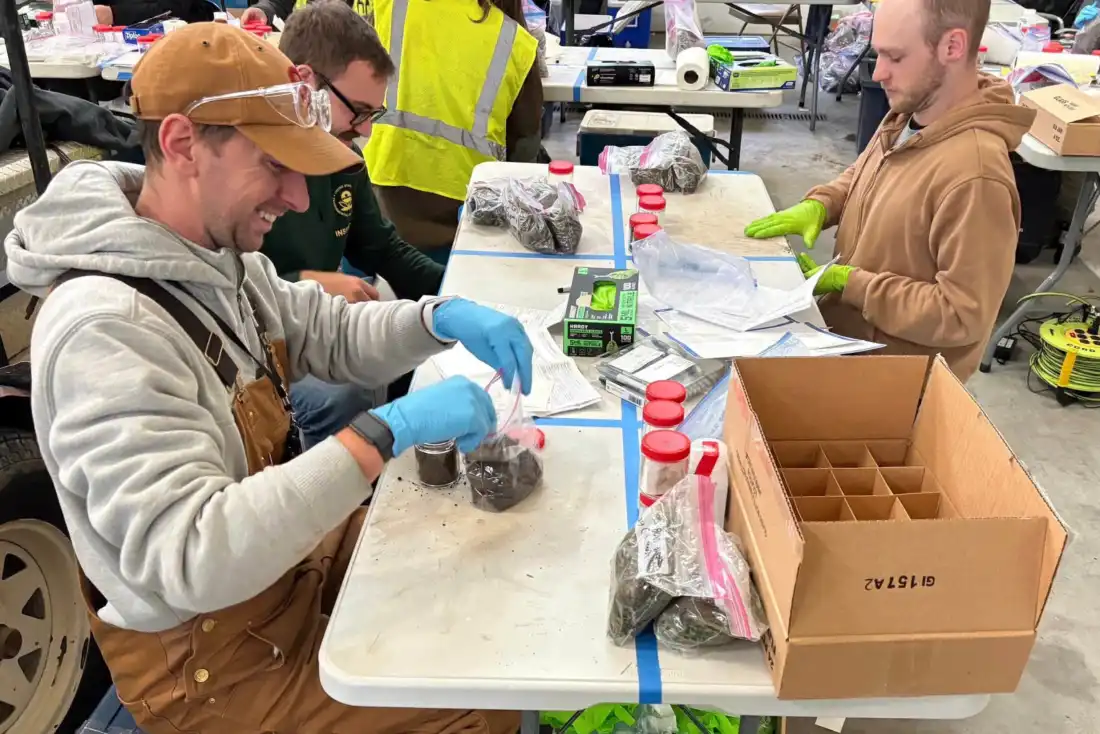
After the detonation, the Environmental Protection Agency (EPA) carried out initial tests in the area. The EPA reported that these early results showed no toxic lead contamination. Lead contamination can be harmful to human health, especially for children, so testing is an important step after an event like this.
The EPA's findings are preliminary, which means more information may be released as testing continues. Officials have not announced any additional safety concerns based on the initial results. Residents and officials will likely continue to follow updates from the Army and the EPA as the review proceeds.
Sources: NPR
More United States news
- Astronomers Discover Giant Ring of Galaxies Billions of Light-Years Across
- Four Ancient Teeth from China Reveal Clues About Early Human Groups
- NASA Begins Search for New Operator of Jet Propulsion Laboratory
- Indiana's United Fidelity Bank Closed by Regulators in Largest U.S. Bank Failure in Two Years
- Americans Spend Billions on Black Friday as Online Sales Climb 11%
- Trump Says He 'Made the Deal' Involving Nvidia CEO Jensen Huang
- Martha Stewart Apologizes After Thanksgiving Social Media Typo
- Chrisean Rock Announces Second Pregnancy with Blueface