The Global Fight Against Ebola: Challenges and Controversy
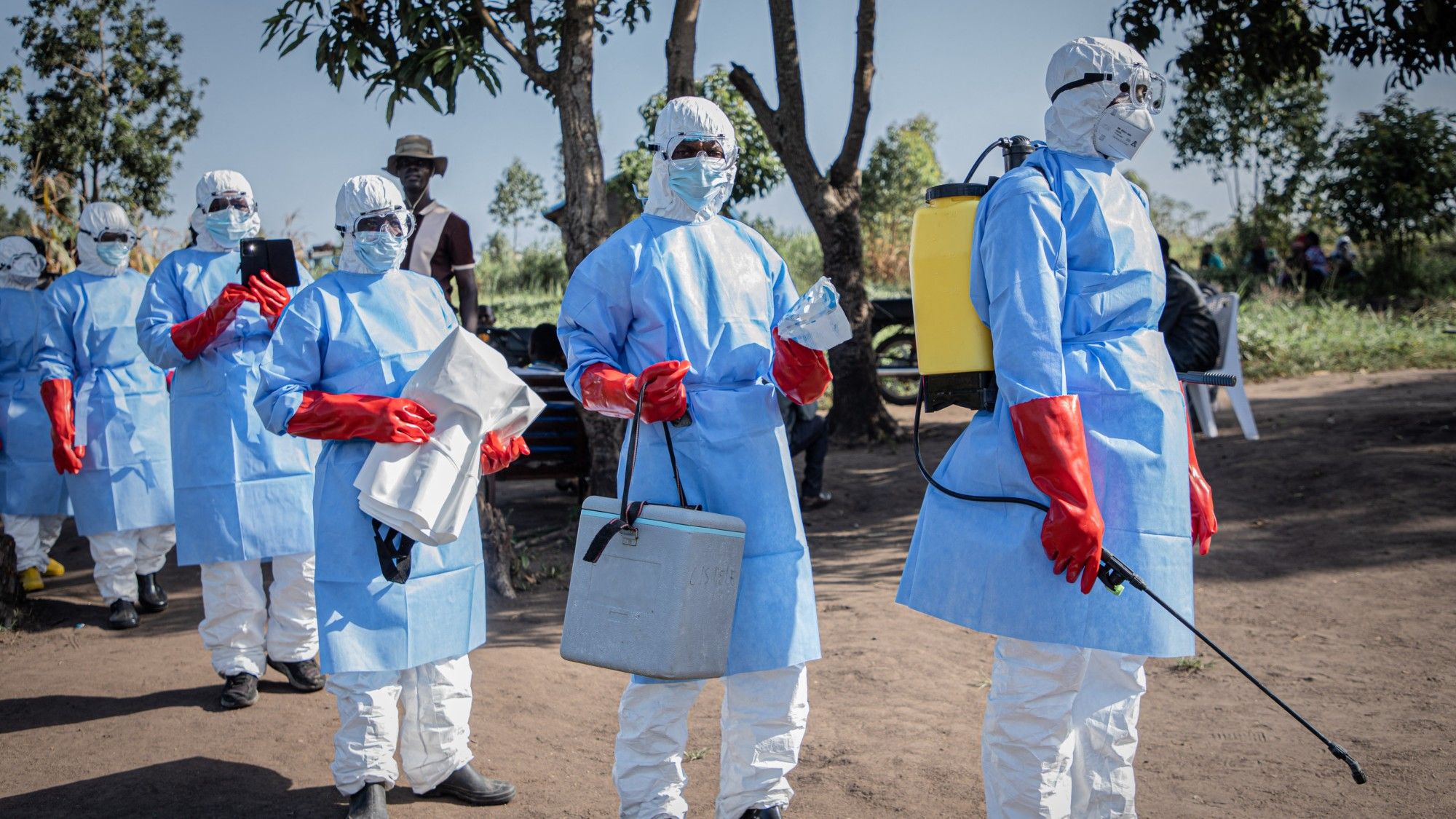
The international effort to contain the latest Ebola outbreak is facing significant challenges. While medical experts warn that the virus could spread further, the response from global powers is being met with both financial difficulties and political tension. Health workers on the front lines say they urgently need more resources to manage the crisis effectively.
One of the main concerns is a recent reduction in financial aid from the United States. These funding cuts have made it harder for local teams to provide necessary care and equipment. Without enough money and supplies, doctors fear that the outbreak could become much more difficult to control in the coming months.
In addition to financial problems, there is growing anger in Kenya over the international response. Plans to build new treatment centers in the country have caused a public debate. Some local critics argue that these facilities are being built primarily to protect foreign interests rather than the local population.
Some media outlets in Nairobi have even described the situation as a form of "neo-colonialism." They believe that international organizations are making decisions without properly consulting local leaders or respecting the country's independence. This has created a lack of trust between international aid groups and the communities they are trying to help.
To stop the spread of Ebola, experts agree that cooperation is essential. However, balancing the need for urgent medical action with political sensitivity is proving to be a complex task. For the outbreak to be contained, international partners must find a way to work more closely with local governments while providing the necessary resources.