New Initiative Aims to Strengthen America’s Climate and Health Resilience
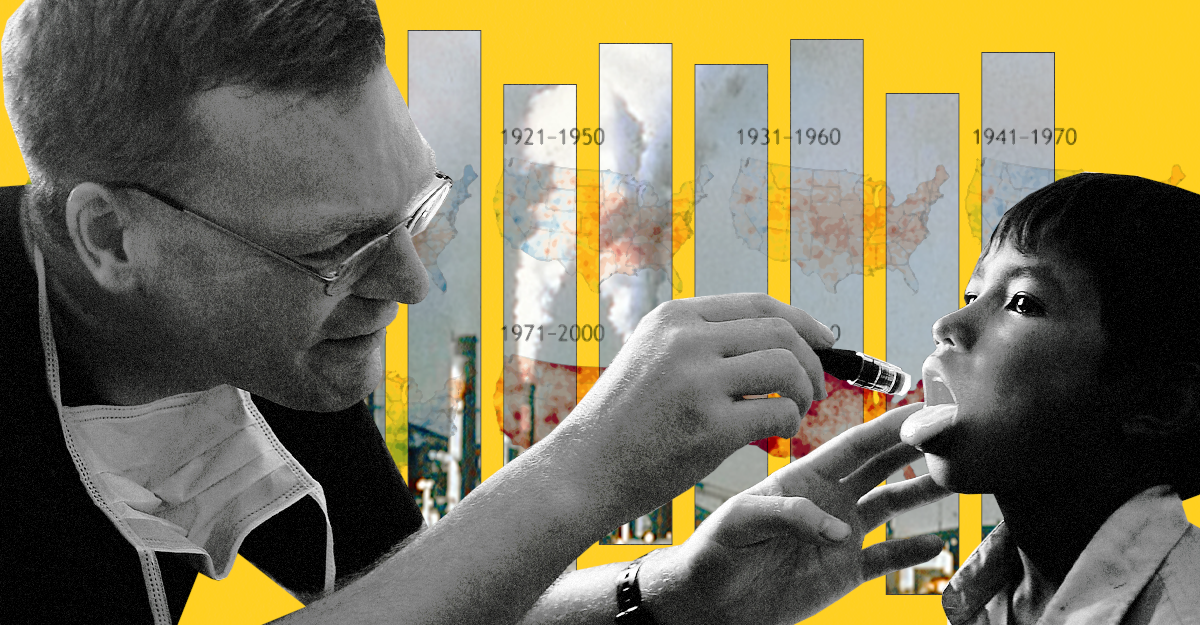
The United States is launching a new national effort to better prepare the country for the health challenges caused by a changing climate. As extreme weather events like heatwaves, floods, and wildfires become more frequent, experts are warning that the nation’s healthcare system must adapt to protect citizens more effectively.
This initiative focuses on building stronger connections between climate science and public health policy. By improving how data is collected and shared, officials hope to provide local communities with the tools they need to predict health risks before they happen. This includes better monitoring of air quality and preparing hospitals for surges in patients during climate-related emergencies.
One of the main goals of the program is to support vulnerable populations who are often hit hardest by environmental changes. The project encourages collaboration between government agencies, scientists, and local healthcare providers. By working together, these groups aim to create a more organized response to climate-related illnesses, such as respiratory issues caused by smoke or diseases spread by insects.
Investing in this capacity is seen as a vital step for long-term national security. Proponents argue that by focusing on prevention now, the U.S. can reduce the economic burden on the healthcare system and save lives. The program will also prioritize training for medical professionals so they are better equipped to treat patients affected by the changing environment.
As the country moves forward, the success of this initiative will depend on continued cooperation across all levels of government. By integrating climate resilience into the heart of public health, the United States aims to ensure that its citizens remain safe and healthy in the face of future environmental challenges.