The Growing Debate Over Data Centers in California
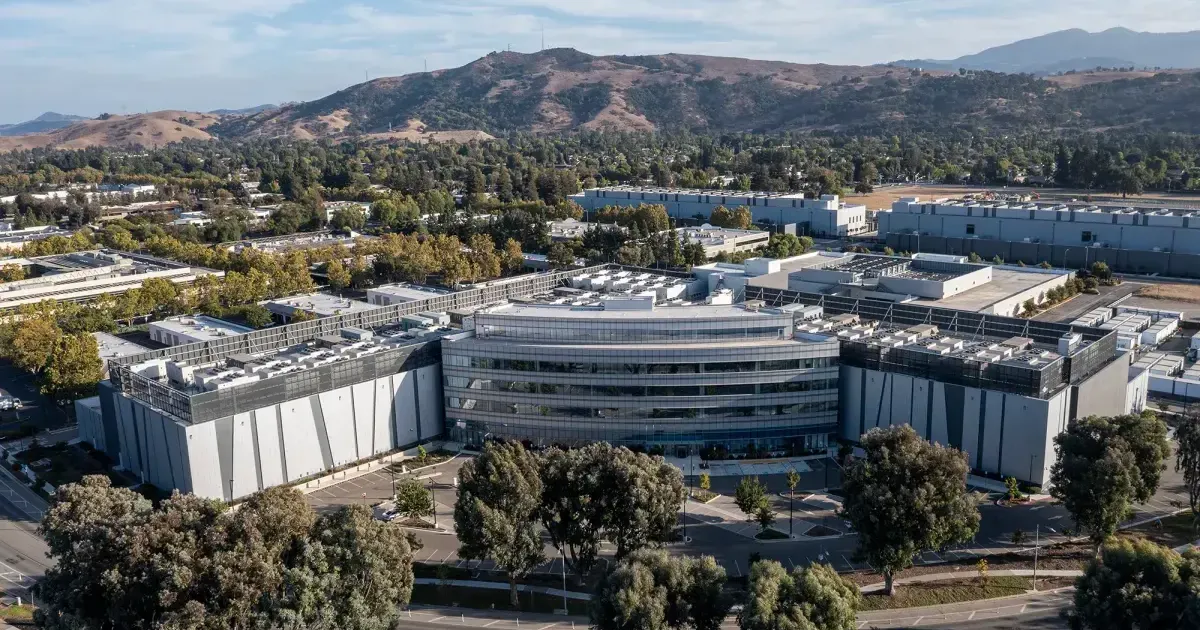
As the demand for artificial intelligence and cloud computing grows, technology companies are building more data centers across the United States. In California, this trend has sparked a significant debate about how these massive facilities impact local communities and the environment. While these centers are essential for the modern digital economy, residents are increasingly concerned about their high energy and water consumption.
Data centers require vast amounts of electricity to power thousands of servers and large quantities of water to keep the equipment cool. In many parts of California, where energy costs are high and water conservation is a priority, local leaders are questioning whether these facilities are sustainable. Critics argue that without better planning, these centers could strain the local power grid and increase utility bills for nearby families.
Industry experts suggest that the solution lies in better design and transparency. Some companies are now exploring ways to use renewable energy, such as solar or wind power, to run their operations. Others are investing in advanced cooling technologies that use less water. By working closely with local governments, tech firms hope to prove that they can be responsible neighbors while supporting the infrastructure needed for future technology.
Building trust with the public remains a major challenge for the tech industry. Many communities feel that they were not properly consulted before large construction projects began. To move forward, experts suggest that developers must be more open about their plans and demonstrate how their projects will benefit the local economy, such as by creating new jobs or improving regional infrastructure.
Ultimately, the future of data centers in the United States depends on finding a balance between technological progress and community needs. As states continue to attract tech investment, the lessons learned in California will likely influence how these facilities are built and managed across the country in the coming years.