House Democrats Divided Over Future of U.S. Aid to Israel
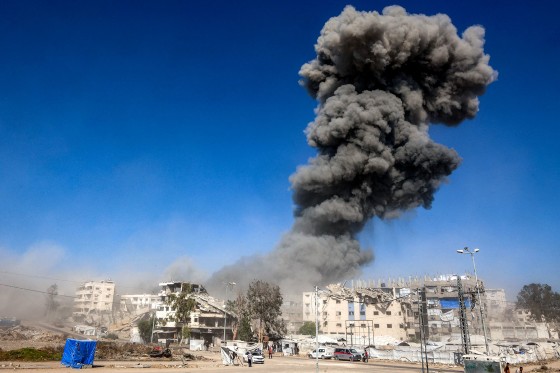
A recent legislative proposal in the U.S. House of Representatives has highlighted growing disagreements within the Democratic Party regarding foreign policy. Republican Representative Thomas Massie introduced a measure that would stop all U.S. financial assistance to Israel. This move has caused a rare public split between the top two leaders of the House Democrats, Hakeem Jeffries and Katherine Clark.
For many years, there has been broad support for Israel among both major U.S. political parties. However, the ongoing conflict in the Middle East has changed the political landscape. As the humanitarian situation in Gaza continues to draw international attention, public opinion in the United States has become increasingly divided. This shift is now putting pressure on lawmakers to rethink traditional alliances and funding priorities.
The debate within the Democratic caucus reflects a broader national conversation about how the United States should use its resources abroad. While some members argue that the U.S. must continue to support its long-standing ally, others are calling for stricter conditions on military aid. These members believe that U.S. tax dollars should not support actions that lead to high civilian casualties.
Political analysts note that this internal conflict is becoming more common as the 2024 election approaches. Voters are expressing diverse views on the conflict, forcing politicians to balance their party's historical positions with the changing demands of their constituents. The division in the House suggests that foreign aid will remain a major topic of debate in Washington for the foreseeable future.
As the House continues to discuss these issues, the path forward remains uncertain. It is unclear if Representative Massie’s measure will gain enough support to pass, but the conversation it has started is significant. For now, Democratic leaders must work to manage these internal differences while addressing the complex geopolitical challenges facing the United States.