The Global Race for Artificial Intelligence Leadership
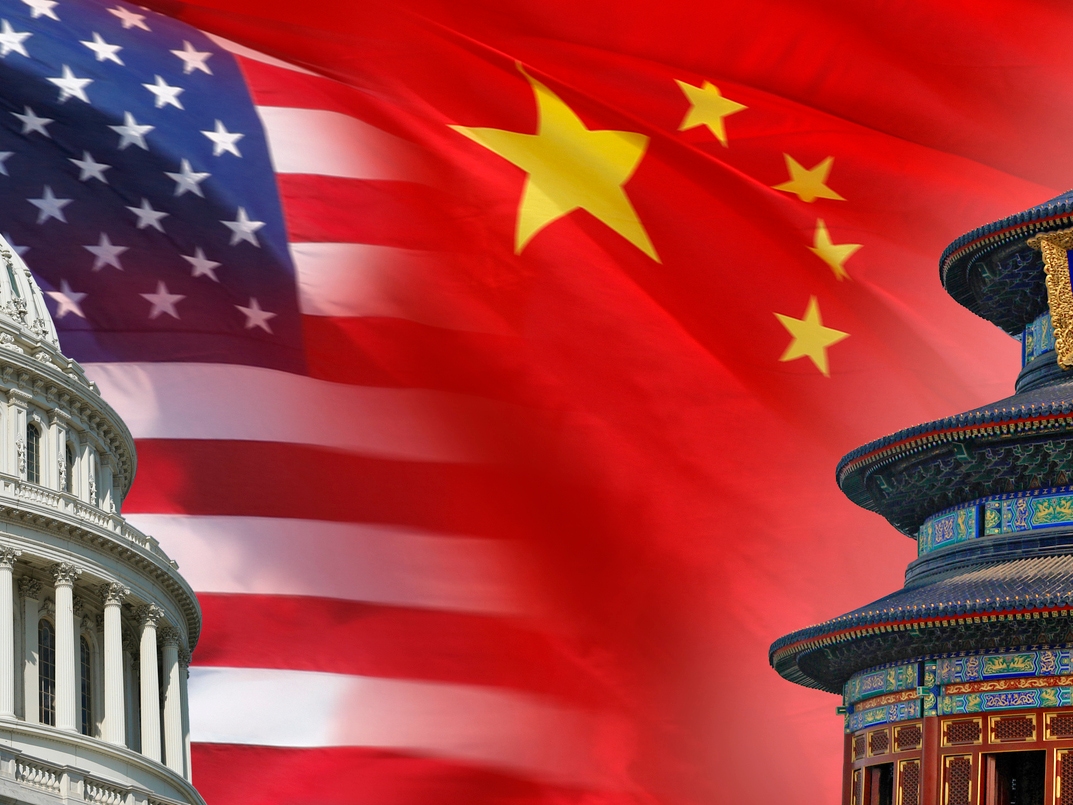
Artificial intelligence (AI) has become a top priority for both the United States and China. As technology continues to change how we live and work, both nations are focusing their government policies and financial investments on becoming leaders in this field. This competition is now a central part of their national strategies.
At the heart of this race is the need for "compute," which refers to the powerful computer hardware and processing systems required to build advanced AI models. Experts suggest that access to these high-performance chips and data centers is essential for any country that wants to develop the most capable technology. Because of this, both the U.S. and China are working hard to secure their supply chains for these resources.
For the United States, this means creating new laws to support domestic research and manufacturing. The government is providing funding to companies that build advanced semiconductors, hoping to reduce reliance on other countries. This strategy is designed to ensure that American businesses remain at the forefront of innovation while protecting national security interests.
Meanwhile, China is also investing heavily in its own AI infrastructure. By focusing on large-scale projects and government-led initiatives, China aims to close the gap in technology development. This has led to a global environment where AI is no longer just a tool for business, but a key factor in international relations and economic power.
As this competition continues, the impact will be felt across the global economy. For readers in the United States, these developments mean that AI will likely play a larger role in daily life, job markets, and government policy in the coming years. Both nations are clearly preparing for a future where artificial intelligence is the most important resource of all.