The Lasting Impact of the World Cup on American Communities
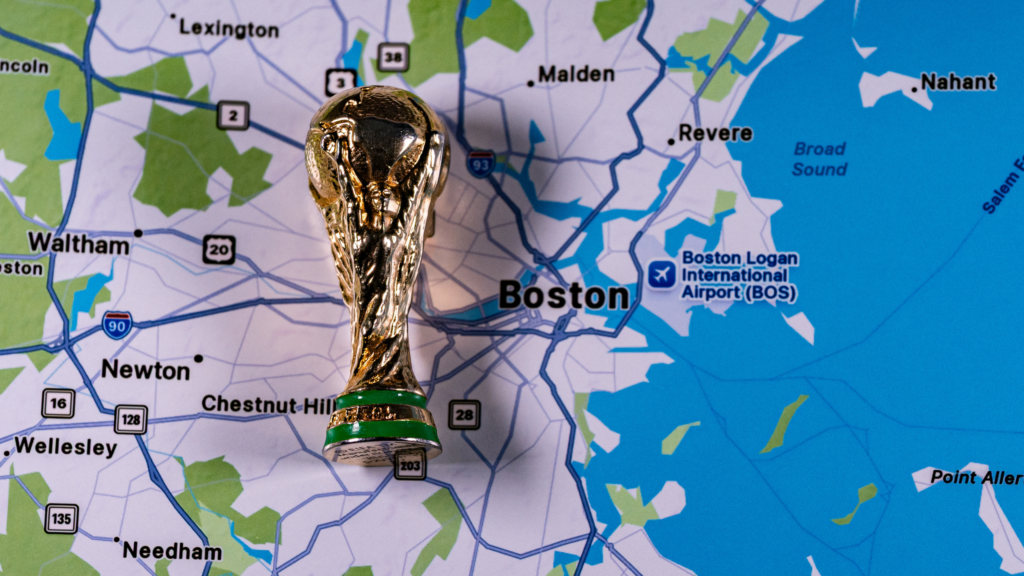
The recent World Cup has left a significant mark on cities across the United States, including Boston. While the tournament is often viewed as a temporary sporting event, experts suggest that it has created a lasting connection between local communities and international culture. For many Americans, the games provided more than just entertainment; they served as a platform for civic engagement and social unity.
In cities like Boston, the excitement surrounding the matches brought diverse groups of people together in public spaces. These gatherings allowed residents to celebrate shared interests and build stronger neighborhood bonds. By turning parks and plazas into viewing areas, the tournament transformed ordinary urban spaces into centers of community interaction and cultural exchange.
Beyond the immediate fun of the matches, the event highlighted the growing popularity of soccer in the United States. This shift in interest is changing how American cities plan their public events and invest in community infrastructure. Local leaders are now looking at how sports can continue to act as a bridge between different cultures and generations in the future.
Ultimately, the World Cup demonstrated that sports can play a vital role in civic life. As the country looks toward future international events, the lessons learned from this summer suggest that these gatherings are essential for fostering a sense of belonging. The spirit of unity experienced during the tournament remains a powerful example of how shared experiences can strengthen the fabric of American society.