Alarming pattern of USCIS errors troubles lawmakers
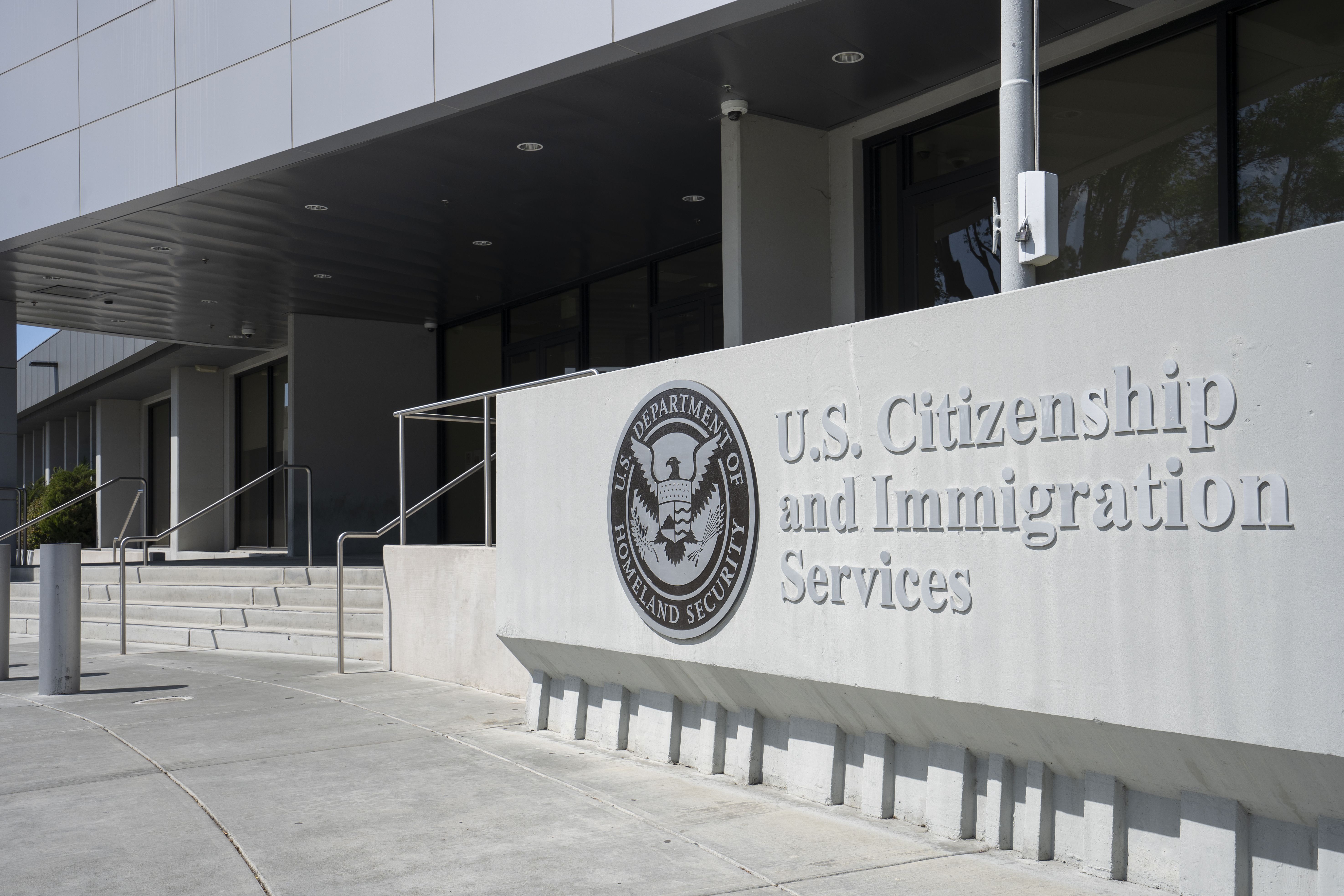
Seventy-two members of the US House of Representatives have written to the Department of Homeland Security demanding answers about what they call an alarming pattern of inaccurate and unresponsive correspondence from US Citizenship and Immigration Services. The letter, led by Illinois Democrat Bill Foster and signed by 71 Democrats and one Republican, went to Homeland Security Secretary Markwayne Mullin and USCIS Director Joseph Edlow. It says congressional offices trying to help constituents with immigration cases have run into significant difficulties over recent months.
The examples in the letter are specific. Caseworkers received replies addressed to the wrong staff member, naming the wrong constituent, or containing information that did not answer the question asked. In one case an office asking about a DACA application was told only that "a decision" had been issued, without being told what the decision was, and was pointed to the public online case-status tool. In another, an office asking whether a client had received final approval was sent an explanation about expedited processing that nobody had requested. In a third, USCIS said a work permit was approved on 21 July and produced on 27 July, while also stating that postal records showed it had been mailed on 28 June and delivered on 30 June, weeks before the approval it was supposed to follow.
Replies now rarely name the officer handling a case, being signed simply as Congressional Liaison, and they come from no-reply addresses. That means an office cannot ask a follow-up question and has to file a fresh inquiry through the agency's portal and wait again. The lawmakers say the quality of the service has declined even though Congress gave the agency extra funding.
The reason this matters to anyone with a case sitting at USCIS is that the congressional inquiry is a real and free tool, and it still works more often than not. Any person living in a congressional district can ask that representative's office to make an inquiry on their behalf, whatever their immigration status and whether or not they can vote. You will normally need to sign a privacy release form first. If your case is well past the published processing time, that is the route worth trying, and it is worth knowing before you start that a vague answer is common and is not a decision on your case.