Understanding the Role of Lobbying Groups in U.S. Foreign Policy
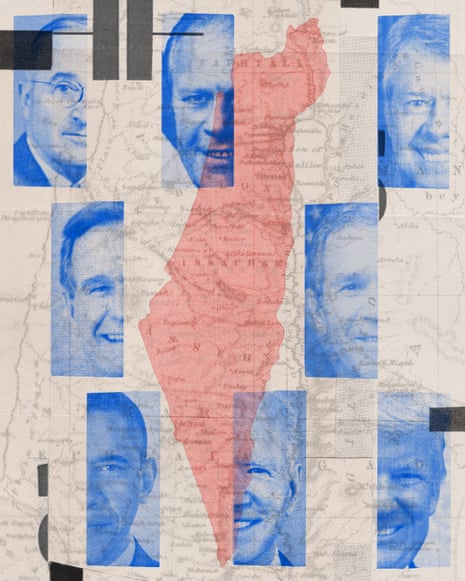
In the United States, the influence of political interest groups is a common topic of debate. These organizations, often called lobbies, work to persuade government officials to support specific policies. Recently, experts have been discussing the long-term impact of pro-Israel lobbying groups on American presidential decisions, a relationship that has existed for several decades.
Lobbying is a legal and standard part of the American political system. Different groups represent various interests, such as environmental protection, business, or foreign policy. By providing information, funding campaigns, and meeting with lawmakers, these groups aim to shape how the U.S. government interacts with other nations and handles international conflicts.
Some political analysts argue that these groups have played a significant role in maintaining the strong alliance between the United States and Israel since the mid-20th century. They suggest that this influence has remained consistent across many different presidential administrations, regardless of which political party is in power. This has led to ongoing discussions about how much influence private organizations should have on national foreign policy.
Critics of this system believe that foreign policy should be based strictly on the national interests of the United States, rather than the goals of specific interest groups. On the other hand, supporters argue that lobbying is a democratic right that allows citizens to express their views and support causes they believe are important for global stability.
As the U.S. prepares for future elections, the role of these groups continues to be a subject of public interest. Understanding how lobbying works helps voters better evaluate the relationship between political donors, advocacy groups, and the decisions made by their elected leaders in Washington, D.C.