U.S. Foreign Policy and the Growing Influence of China in Latin America
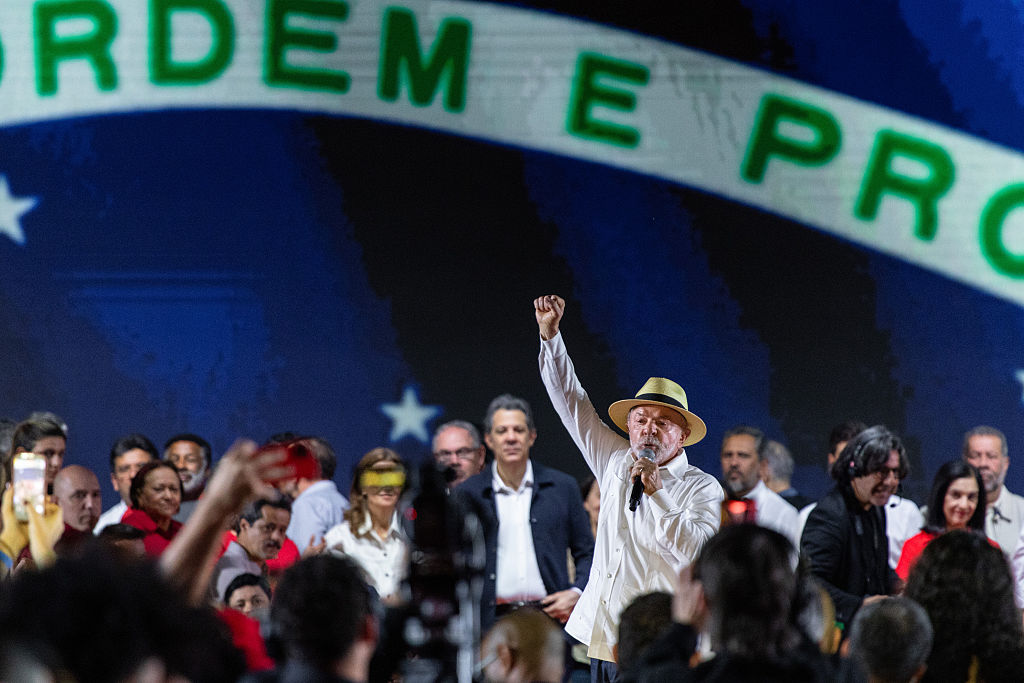
The United States is currently re-evaluating its diplomatic strategy in Latin America. Recent reports suggest that Washington is placing a stronger emphasis on political alignment with its neighbors. However, experts believe this approach may be having the opposite effect of what was intended, as many countries in the region continue to strengthen their economic ties with China.
For decades, the United States has maintained a significant influence over the Western Hemisphere. Today, however, the global landscape is changing. As Washington pushes for closer political cooperation, some Latin American nations feel that their own national interests are being overlooked. This has led many leaders to seek alternative partnerships to support their growing economies.
China has become a major trade partner for many countries in South and Central America. By investing in infrastructure, technology, and energy projects, Beijing has gained a strong foothold in the region. Many local governments argue that these investments are necessary for their development, regardless of the political pressure coming from the United States.
This situation creates a complex challenge for American policymakers. While the U.S. wants to ensure regional stability and security, its focus on political alignment may be pushing some countries further away. As a result, Latin American nations are trying to balance their relationships with both global powers to maximize their own economic benefits.
In conclusion, the relationship between the United States and its neighbors is entering a new phase. As China continues to expand its presence in the region, Washington must decide how to adapt its strategy. The future of trade and diplomacy in the Americas will likely depend on how these nations navigate these competing global influences.