Is American Power Fading in the Middle East and North Africa? A New Analysis Says Washington Lacks Direction
Published
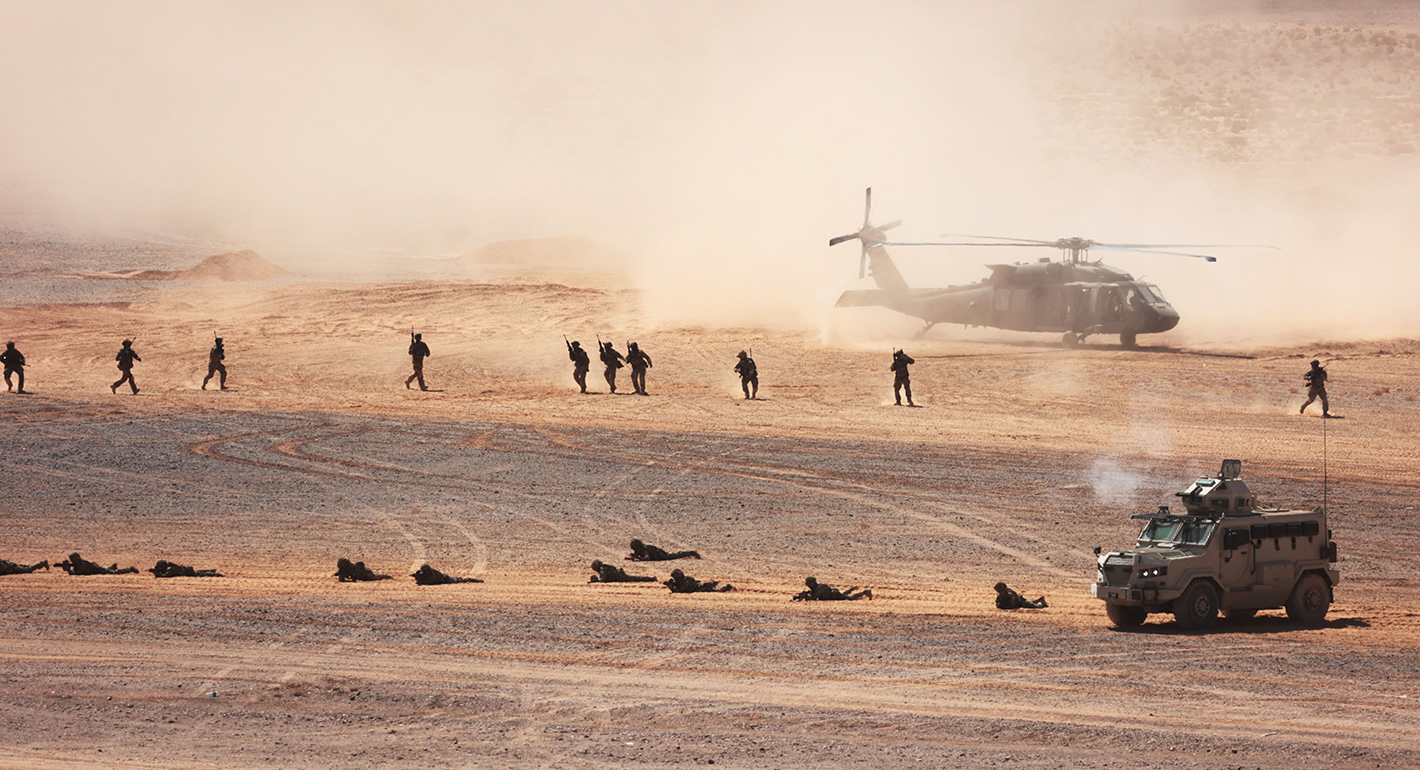
A new analysis from the Carnegie Endowment for International Peace raises questions about the role of the United States in the Middle East and North Africa, often called MENA. The report, titled "American Power in MENA: Depleted and Adrift," suggests that Washington's influence in the region has weakened and that its strategy may lack a clear direction. The Carnegie Endowment is a well-known research organization based in Washington, D.C., and its reports are widely read by policymakers, scholars, and journalists.
The United States has been deeply involved in MENA for decades. Its policies affect issues such as security cooperation with allied governments, energy markets, and efforts to end regional conflicts. Because of this long history, changes in American influence can have effects that reach beyond the region. Many Americans follow these issues through their impact on oil prices, military deployments, and diplomatic relations, even when they do not follow the daily details of events abroad.
The word "depleted" in the title suggests that American resources, such as political attention, military commitments, or diplomatic credibility, may have been used up or stretched thin. The word "adrift" points to a sense that the country's approach has not been firmly guided by a single long-term plan. Analysts who study the region often debate whether these concerns are accurate and how much they matter. Some observers argue that American influence remains significant, while others believe that other countries, including China and Russia, have gained ground in the region.
The report is one contribution to a larger public discussion about the future of American foreign policy in the Middle East and North Africa. Readers who want to understand the issue more fully may wish to read the complete analysis and compare it with other expert views. As the region continues to change, the debate over how the United States should engage with it is likely to continue.
Sources: Carnegie Endowment for International Peace
More United States news
- Utah Seeks to Host Planned United States Space Academy
- U.S. Data Centers Now Use More Electricity Than Some Entire Countries, Harvard Study Finds
- California Proposes a New United States Space Academy
- The Future of Manufacturing May Depend on Companies Most Americans Don't Know
- U.S. Army Tests Whether American Factories Can Produce Weapons Fast Enough
- Nvidia Chip Smuggling Case Could Push U.S. to Tighten Export Rules
- Entertainment and Tech Leaders to Speak at Variety's Summit During CES
- Rockstar Finally Reveals the Actors Behind GTA VI's Vice City Characters