Reflecting on History: Lessons on Political Violence in America
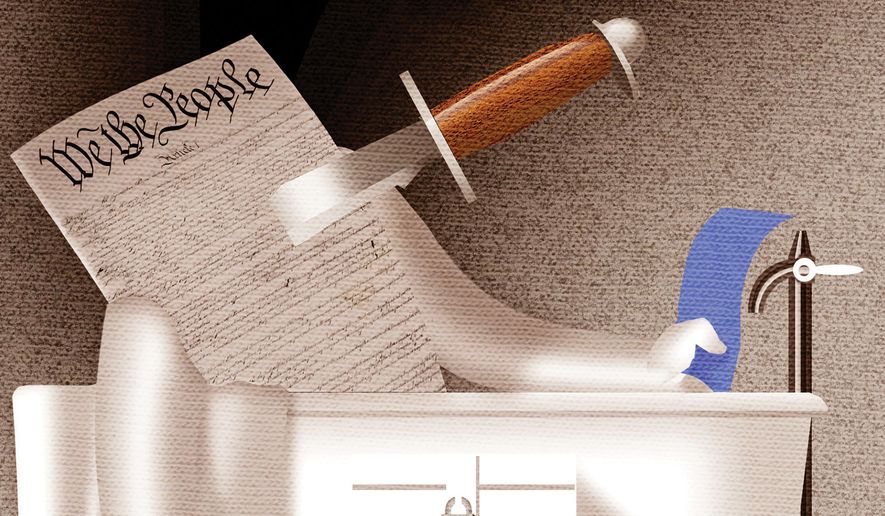
In recent discussions about the state of American democracy, historians are looking back at the French Revolution to understand the dangers of extreme political conflict. Specifically, the story of Jean-Paul Marat, a prominent figure during the revolution, serves as a stark reminder of how quickly political passion can turn into violence.
Marat was a radical journalist and politician who played a significant role in the French Revolution. However, his life ended in tragedy when he was assassinated by Charlotte Corday, a woman who believed his actions were destroying the country. This event remains a famous example of how political division can lead to fatal consequences.
Following his death, Marat was initially honored as a hero and placed in the Pantheon in Paris. Yet, history eventually changed its perspective on his legacy. Only a year and a half later, his remains were removed from the monument after he was re-evaluated as a dangerous and violent criminal rather than a patriot.
Experts suggest that this historical shift serves as a warning for modern societies. When political movements rely on aggression or violence, they often lose their legitimacy over time. By studying these past events, observers hope that contemporary leaders and citizens can find more peaceful ways to resolve their differences.
As the United States faces its own period of intense political debate, the story of Marat and Corday highlights the importance of maintaining civil discourse. History shows that violence rarely provides a lasting solution to political problems and often leaves a complicated, negative legacy for future generations.