New Study Shows Decline in Serious C. Difficile Infections in U.S. Hospitals
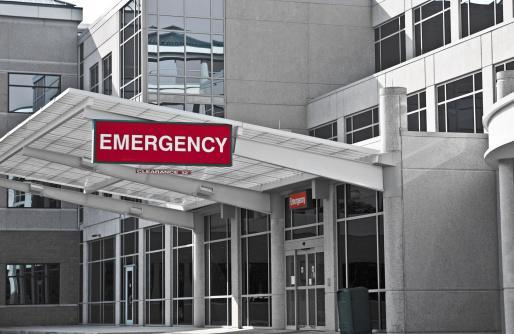
A recent study has brought positive news regarding public health in the United States. Researchers have found that emergency departments across the country are seeing a decrease in the number of patients diagnosed with Clostridioides difficile, commonly known as C. difficile or C. diff.
C. difficile is a serious bacterial infection that affects the colon. It is known for causing severe, watery diarrhea and painful inflammation. In many cases, this infection can be life-threatening, particularly for elderly patients or those with weakened immune systems. Because of its severity, the reduction in emergency room visits is considered a significant development for the medical community.
Medical experts suggest that the decline may be linked to improved hygiene practices and better antibiotic stewardship in healthcare facilities. Doctors have been working hard to reduce the unnecessary use of antibiotics, which can sometimes disrupt the healthy bacteria in a person's gut and make them more vulnerable to a C. difficile infection.
While the trend is encouraging, health officials emphasize that the infection remains a concern. Doctors continue to diagnose a large number of cases each year, and hospitals are encouraged to keep focusing on strict sanitation protocols to protect patients. Ongoing monitoring will be necessary to ensure that these numbers continue to drop in the future.