The Future of Nuclear Energy in the United States
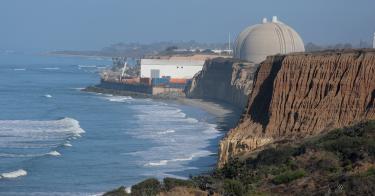
The United States is currently experiencing a significant shift in how it produces electricity. After a long period of stagnation, there is a renewed interest in commercial nuclear energy across the country. Experts suggest that the next generation of nuclear power will look very different from the technology used in the past.
Between 2001 and 2010, the global demand for electricity began to rise, leading many nations to reconsider nuclear power as a reliable energy source. Today, the U.S. is focusing on modernizing this sector to meet the increasing energy needs of homes and businesses. This transition is driven by the need for more efficient and sustainable ways to power the national grid.
Unlike the older nuclear plants built in the 20th century, new projects are focusing on advanced technologies. These innovations aim to make nuclear energy safer, smaller, and more flexible. By investing in these new designs, the U.S. hopes to provide a steady supply of electricity while reducing the environmental impact associated with traditional power plants.
As the country moves forward, the role of nuclear energy remains a key part of the national conversation on infrastructure. While challenges remain regarding costs and regulation, the push for a nuclear revolution is gaining momentum. The goal is to create a more resilient energy system that can support the growing demands of the American economy for decades to come.