Political Tensions Rise Ahead of Upcoming U.S. Midterm Elections
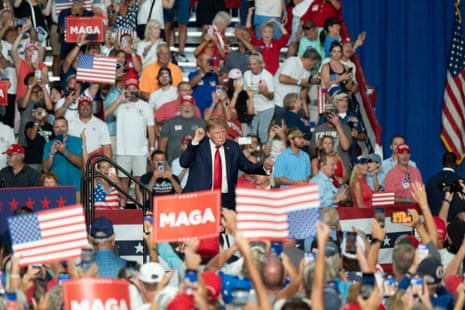
As the United States approaches the upcoming midterm elections, political rhetoric has become increasingly intense. Candidates and party leaders are working hard to define their opponents and mobilize their supporters before voters head to the polls this November.
In South Carolina, a state known for its strong conservative leanings, political figures are actively shaping the national conversation. Recent campaign events have focused on labeling opposing party members with strong political terms, such as "radical" or "communist," to influence voter perception.
This strategy is designed to create a sense of urgency among voters. By framing the election as a choice between two very different visions for the country, parties hope to increase turnout and secure a majority in Congress. Analysts suggest that this type of messaging is a common tactic used to energize a party's base.
However, the effectiveness of these labels remains a subject of debate. While some voters feel that these warnings reflect their own concerns about the direction of the country, others argue that the language is divisive and does not address the practical issues facing everyday Americans.
With the election date drawing closer, both major parties are intensifying their efforts to win over undecided voters. The coming weeks will be critical as campaigns across the country work to finalize their platforms and convince the American public of their vision for the future.