Democratic Socialist Candidates See Mixed Results in Recent Elections
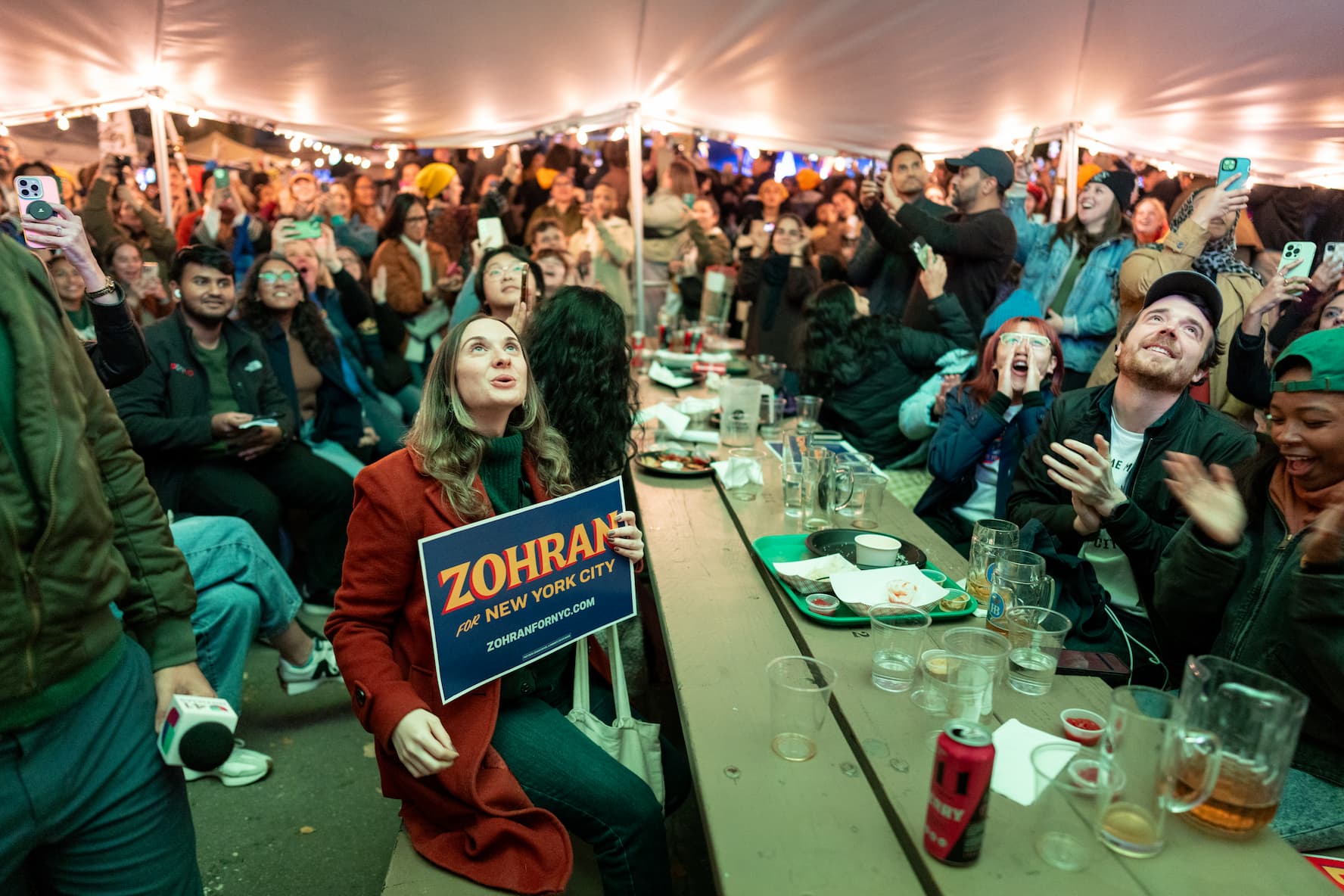
In the latest round of political contests, candidates identifying as democratic socialists have experienced a notable shift in their influence across the United States. While these candidates have successfully gained ground in specific local and regional races, their overall impact on national politics remains limited. Analysts are now looking closely at these results to understand how voters are responding to progressive platforms in the current political climate.
Supporters of these candidates point to successful campaigns in urban areas, where voters have shown strong interest in policies focused on healthcare reform, housing affordability, and environmental protection. These victories suggest that democratic socialist ideas are becoming more mainstream in certain communities. By focusing on grassroots organizing, these campaigns have managed to challenge established political figures and bring new topics into the public conversation.
However, the data also indicates that these candidates face significant hurdles when trying to appeal to a broader, national audience. In many suburban and rural districts, voters have remained hesitant to support candidates with more radical platforms. This divide highlights the ongoing challenge for the movement as it attempts to expand its reach beyond its traditional base of support.
Political experts suggest that the 2026 results reflect a country that is deeply divided on economic and social priorities. While the movement has proven it can mobilize dedicated groups of voters, it has yet to build the widespread coalition necessary to dominate national elections. Moving forward, the success of these candidates will likely depend on their ability to bridge the gap between their core supporters and more moderate voters.
As the political landscape continues to evolve, both major parties will be watching these trends closely. The performance of democratic socialist candidates serves as an important indicator of changing voter preferences and the future direction of American policy. Whether this movement will continue to grow or reach a plateau remains one of the most significant questions in current U.S. politics.