Migrants Deported to West Africa Face Uncertain Future
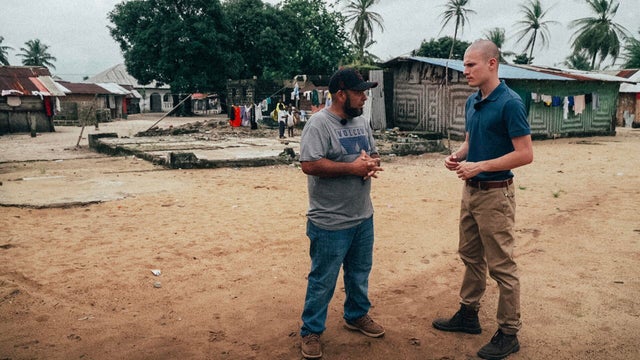
A recent report has highlighted a complex situation involving U.S. immigration policy. Several Latin American migrants, who were detained after crossing the U.S. border, have been deported by U.S. Immigration and Customs Enforcement (ICE) to countries in West Africa. These individuals now find themselves in nations where they have no personal connections or knowledge of the local languages.
Many of these migrants originally arrived in the United States seeking asylum, fleeing violence or poverty in their home countries. According to the report, ICE officials utilized specialized flights to transport these individuals to West African nations, such as Mauritania and Senegal. This strategy is part of a broader effort by the U.S. government to manage the high number of arrivals at the southern border.
Human rights advocates have expressed deep concern regarding this practice. They argue that leaving individuals in a foreign region, thousands of miles from their homes, creates a humanitarian crisis. These migrants often lack the financial resources or legal support needed to navigate their new surroundings, leaving them stranded and vulnerable in unfamiliar environments.
In response, federal officials maintain that these deportations are conducted in accordance with international law and bilateral agreements. The government states that these measures are necessary to maintain border security and ensure that immigration laws are enforced consistently. Officials emphasize that individuals who do not have a legal basis to remain in the United States must be returned to their countries of origin or to a country that agrees to accept them.
As the debate over U.S. border policy continues, the situation of these stranded migrants remains a point of focus for international observers. The case raises difficult questions about the balance between national security, legal procedures, and the treatment of people seeking safety.