New U.S. Global Health Strategy Raises Concerns for HIV/AIDS Programs
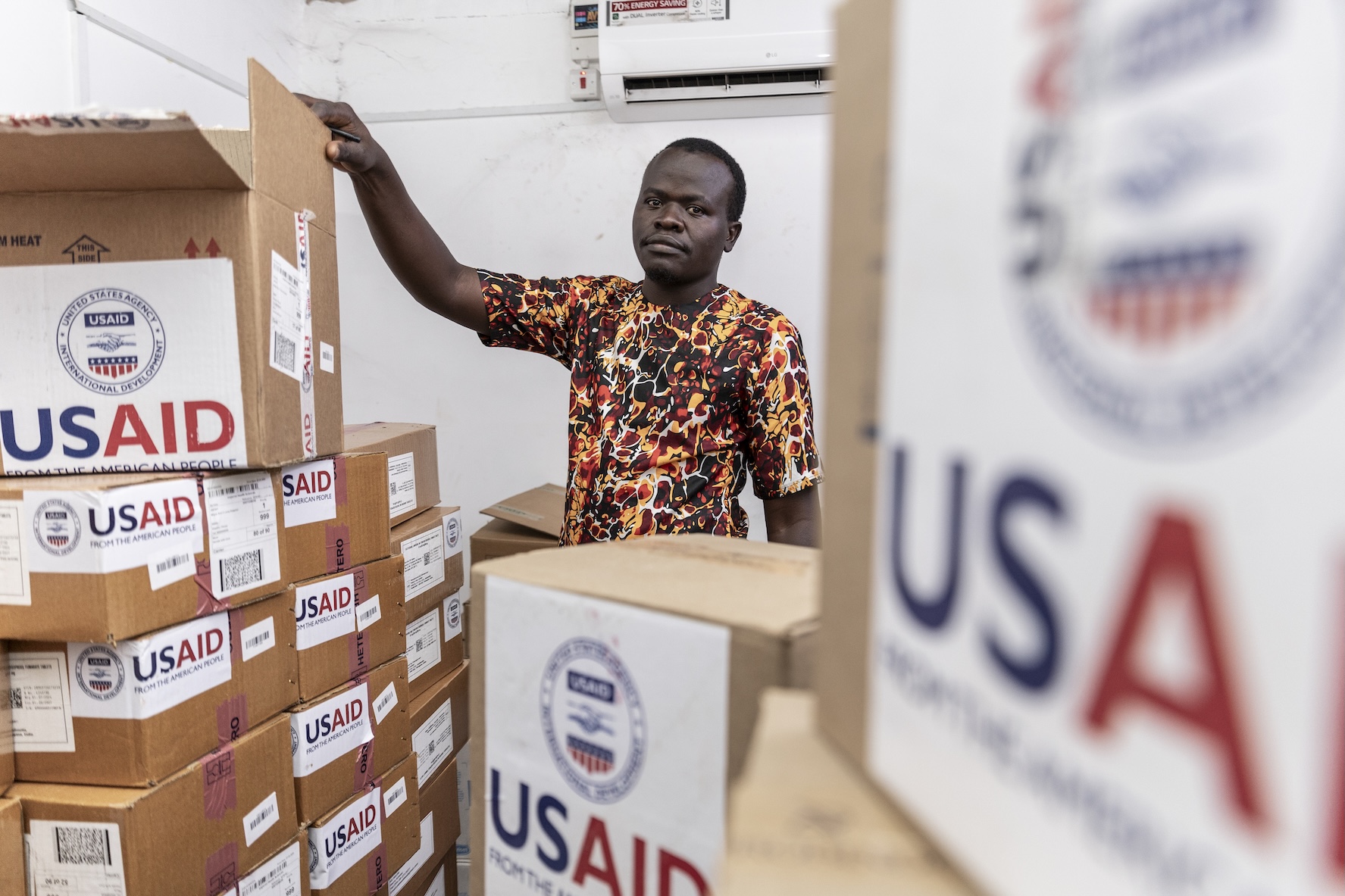
A new policy titled the “America First Global Health Strategy” is currently under review, sparking debate among health experts. This strategy aims to change how the United States manages its international health commitments, specifically focusing on programs that support HIV/AIDS prevention and treatment in Africa.
For many years, the U.S. has led global efforts to fight HIV/AIDS through a program known as PEPFAR (the President's Emergency Plan for AIDS Relief). This initiative has been credited with saving millions of lives and significantly reducing the spread of the virus across the African continent. Supporters of the current system argue that these programs are essential for global stability and public health.
However, the new strategy proposes a shift in priorities, emphasizing a more nationalistic approach to foreign aid. Critics, including researchers from the Brookings Institution, warn that these changes could weaken the progress made over the last two decades. They suggest that reducing funding or changing how these partnerships work might disrupt the delivery of life-saving medicine to those who need it most.
Government officials involved in the new strategy state that the goal is to ensure that U.S. resources are used as efficiently as possible. They argue that the policy will help the country better manage its domestic budget while still addressing urgent health needs abroad. The debate centers on finding a balance between domestic interests and the long-term impact of international health investments.
As the administration moves forward with these plans, global health organizations continue to monitor the situation closely. The outcome of this policy shift will likely influence how the United States interacts with international health partners for years to come.