The Debate Over Chinese Electric Vehicles in the United States
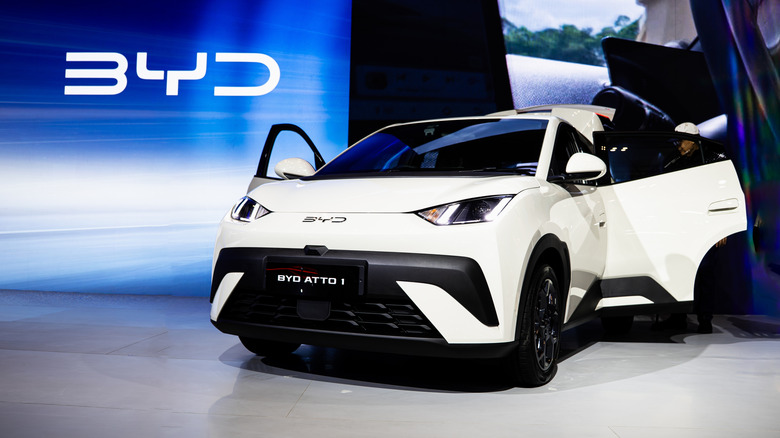
The automotive industry is currently discussing whether Chinese-made electric vehicles (EVs) should be allowed to enter the United States market. As the world moves toward cleaner energy, Chinese manufacturers have become leaders in producing affordable electric cars. However, this potential expansion has sparked a significant debate among policymakers, car experts, and consumers.
Supporters of bringing these vehicles to the U.S. argue that they could offer more options for budget-conscious drivers. Chinese EVs are often cheaper to produce, which could lower the overall cost of electric transportation for American families. Additionally, increased competition might encourage domestic manufacturers to innovate faster and improve their own technology to keep up with global standards.
On the other hand, there are serious concerns regarding national security and economic fairness. Critics point out that many Chinese car companies receive heavy government subsidies, which could make it difficult for American companies to compete on a level playing field. Furthermore, there are worries about data privacy, as modern electric vehicles are essentially computers on wheels that collect large amounts of information about their drivers and surroundings.
Another major factor is the current trade relationship between the U.S. and China. High tariffs are already in place, making it expensive to import these vehicles. Government officials are also focused on protecting American jobs in the automotive sector, fearing that an influx of cheaper foreign cars could lead to factory closures and job losses within the United States.
As the U.S. continues its transition to electric power, the government must balance the need for affordable technology with the protection of national interests. Whether or not Chinese EVs will eventually be sold on American streets remains an open question that will likely shape the future of the automotive market for years to come.