The Growing Competition Between the U.S. and China Over Global Technology
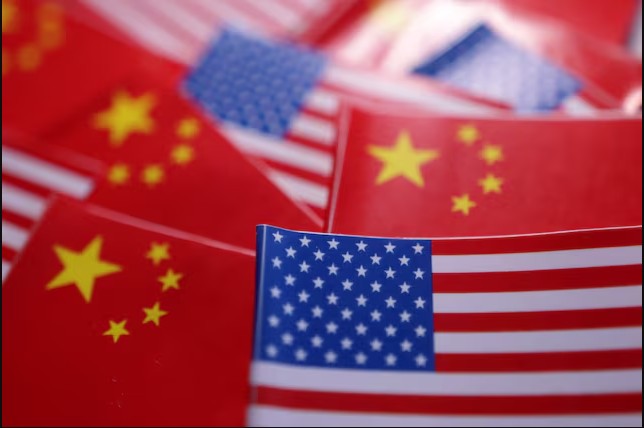
The United States is currently encouraging its international partners to take a clearer stance regarding global technology. As the competition between the U.S. and China continues to grow, Washington is asking countries around the world to choose sides in how they manage their digital and technological infrastructure.
This pressure is particularly felt in regions like Central Asia, which has historically followed a 'multi-vector' policy. This policy allows these nations to maintain strong economic and political relationships with both Washington and Beijing at the same time. However, as technology becomes a central part of national security, maintaining this balance is becoming increasingly difficult.
For the United States, the goal is to ensure that critical technologies—such as 5G networks, artificial intelligence, and semiconductors—are developed and managed by trusted partners. Washington is concerned that relying on Chinese technology could create security risks or give Beijing too much influence over global communication systems.
On the other side, China remains a major economic partner for many countries, offering significant investments in infrastructure and digital development. Many nations are hesitant to cut ties with Beijing, as doing so could harm their local economies and limit their access to affordable technology.
As this global competition continues, the U.S. government is expected to keep pushing for stronger alliances in the technology sector. The challenge for many countries will be to protect their own national interests while navigating the complex demands of the world's two largest economies.