More than 100 Eñepá Indigenous people receive free medical care in Bolívar
Published
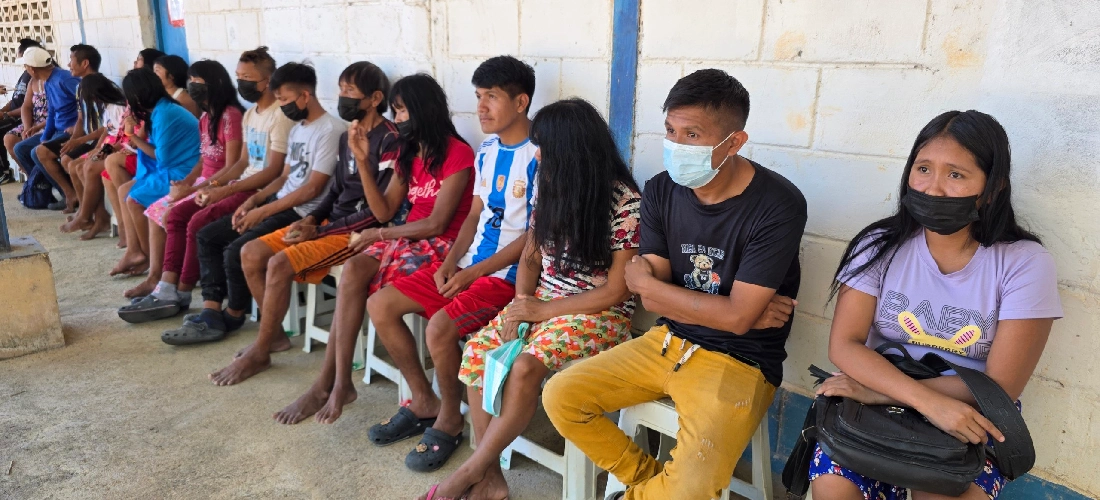
More than 100 people from the Eñepá Indigenous community received free medical care in Bolívar state, in Venezuela. The health day included tests to detect three diseases: tuberculosis, HIV and syphilis. According to official information from the Ministerio del Poder Popular para la Salud (MPPS), patients could get these checks without paying anything.
To detect tuberculosis, health staff used digital X-rays. This technology makes it possible to get images of the lungs quickly and clearly, which helps find the disease in its early stages. HIV and syphilis tests were also carried out during the same day, so that people could learn about their health in one place.
Screening tests are important because many of these diseases may not show symptoms at first. When they are found in time, treatment is usually more effective and the risk of passing the infection to other people is reduced. For this reason, health authorities recommend that people in Indigenous communities and other rural areas have regular medical check-ups.
These health days aim to bring health services closer to communities that have less access to hospitals and medical centres. The initiative shows how important it is to take medical care directly to people, especially those who live far from the cities.
Sources: MPPS
More Venezuela news
- Chia and blood sugar: what science says about its fibre
- Detecting the risk in time can prevent many heart attacks and strokes
- A blood test could detect Alzheimer's with accuracy similar to cerebrospinal fluid analysis
- Opioid overdoses in cancer patients: they are uncommon, but the risk is in the first year
- Cases of flu and influenza rise in North Carolina earlier than expected
- Thanksgiving and the flu: tips to lower the risk of infection over the weekend
- Beta-blockers after a heart attack: what medical guidelines recommend based on heart function
- Alert over rising mpox cases in the Americas