World AIDS Response Day: A Date to Remember and Prevent
Published
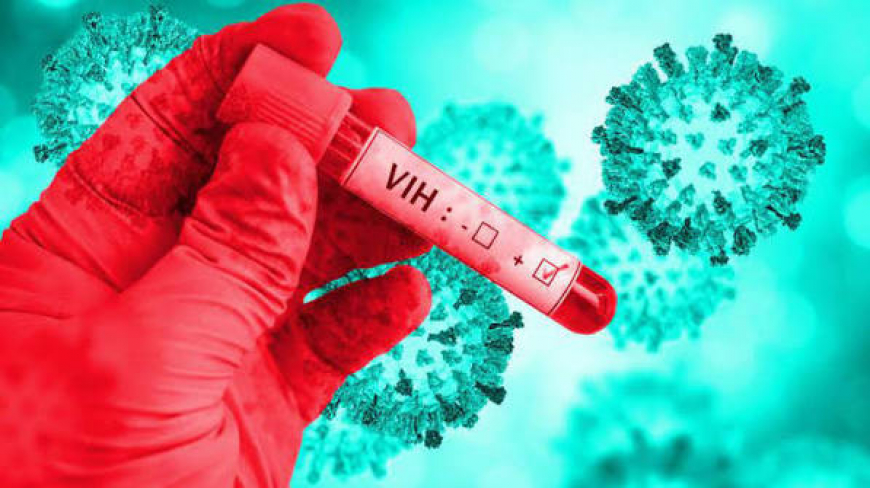
World AIDS Response Day is celebrated every 1 December. Previously, this date was known as World AIDS Day. It has been observed since 1988, when the World Health Organization (WHO) promoted it as an international initiative to draw attention to this disease.
HIV is a virus that weakens the immune system, that is, the body's natural defences against infections. If it is not treated, it can cause AIDS, the most advanced stage of the infection. Over the years, science has made important progress in treatment, and today many people living with HIV can live a long and healthy life when they follow their medical treatment consistently.
The date also aims to inform the public about ways of prevention, such as the correct use of condoms, getting tested to know one's health status, and eliminating the stigma and discrimination against people living with the virus. According to the information available, the main goal of this commemoration is to remind us that the response to HIV requires the participation of governments, communities and citizens.
In conclusion, World AIDS Response Day is an opportunity to reflect on the importance of prevention, early diagnosis and support for those who live with this condition. Remembering this date helps keep the topic on the public agenda and reinforces information that can protect the health of everyone.
Sources: Periódico Sierra Maestra
More Venezuela news
- Chia and blood sugar: what science says about its fibre
- Detecting the risk in time can prevent many heart attacks and strokes
- A blood test could detect Alzheimer's with accuracy similar to cerebrospinal fluid analysis
- Opioid overdoses in cancer patients: they are uncommon, but the risk is in the first year
- Cases of flu and influenza rise in North Carolina earlier than expected
- Thanksgiving and the flu: tips to lower the risk of infection over the weekend
- Beta-blockers after a heart attack: what medical guidelines recommend based on heart function
- Alert over rising mpox cases in the Americas