Less than 1% of newborns have hearing problems, according to a study
Published
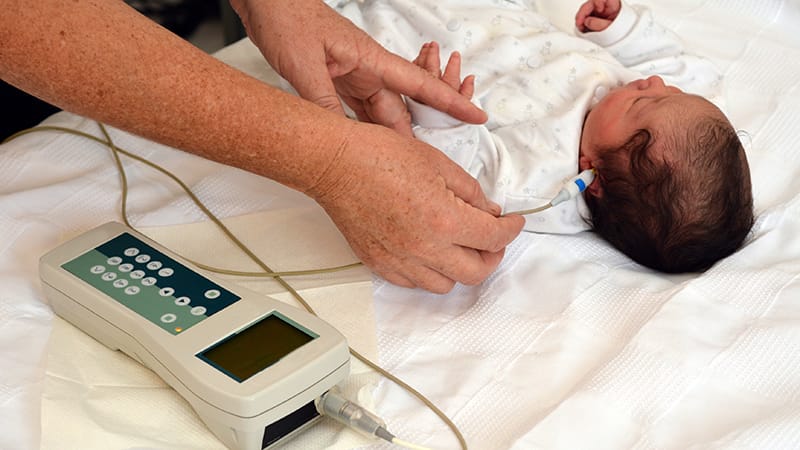
A new medical study reports that the prevalence of abnormal newborn hearing screening results at a referral hospital was 0.70%. That means fewer than one in every hundred babies tested had results that require further tests.
Newborn hearing screening is a simple test given to newborn babies, usually in their first few days of life, to check for possible hearing problems. This test makes it possible to identify babies who need more tests, such as a second test or a specialist assessment.
The authors of the study stress how important it is to carry out this kind of check early. According to the study, finding a hearing problem early can help a child receive medical care and support in time, which is key for their language and communication development in the first years of life.
In short, although the proportion of cases detected is low, the study underlines that hearing screening for newborns is still a useful tool for child health. The results are a reminder that prevention and early diagnosis are essential in caring for babies.
Sources: Medscape
More Venezuela news
- Chia and blood sugar: what science says about its fibre
- Detecting the risk in time can prevent many heart attacks and strokes
- A blood test could detect Alzheimer's with accuracy similar to cerebrospinal fluid analysis
- Opioid overdoses in cancer patients: they are uncommon, but the risk is in the first year
- Cases of flu and influenza rise in North Carolina earlier than expected
- Thanksgiving and the flu: tips to lower the risk of infection over the weekend
- Beta-blockers after a heart attack: what medical guidelines recommend based on heart function
- Alert over rising mpox cases in the Americas