A helmet for measuring the brain at home opens new options for patients with chronic pain
Published
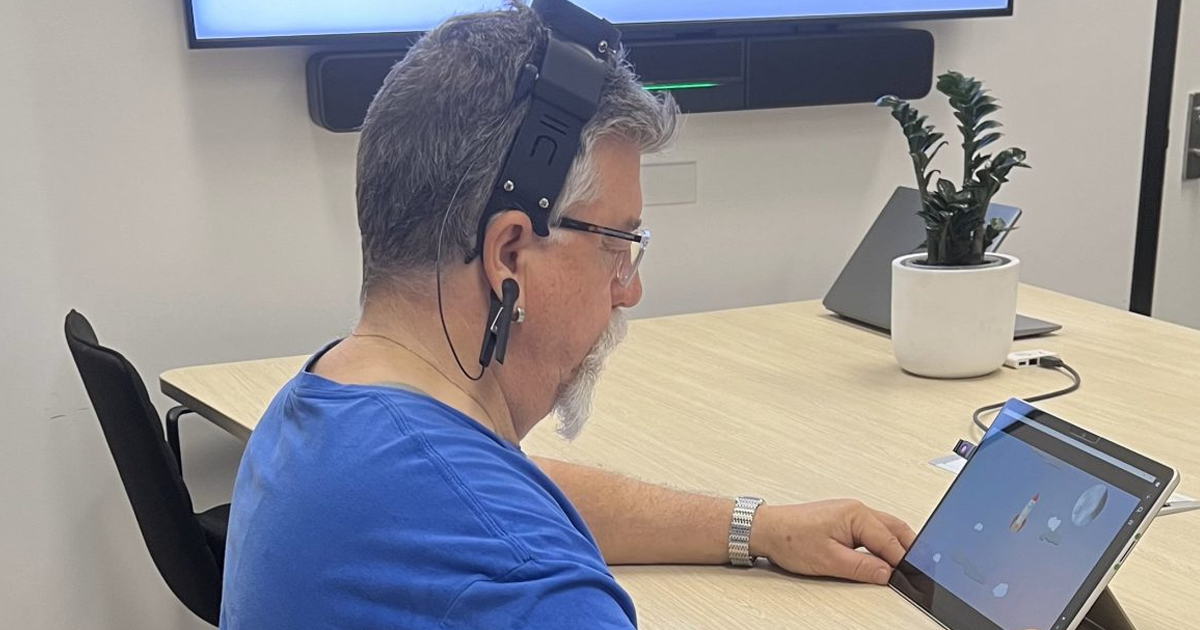
A new electroencephalography (EEG) helmet can record brain activity at home and provide stable measurements, according to the health portal Salud Digital. This development is a step towards bringing neurofeedback to people who suffer from chronic pain.
Electroencephalography is a method that uses sensors placed on the head to detect the electrical activity of the brain. Until now, this type of test was mostly done in hospitals or specialised centres. A device that can be used at home allows the patient to carry out the measurements without having to travel often to a clinic.
Neurofeedback is a technique in which the person sees, in real time, how their brain activity works. With practice, the patient can learn to change some of those patterns. Specialists are studying whether this tool can help reduce chronic pain, a condition that affects the quality of life of many people and is often difficult to treat.
The available information indicates that the helmet offers stable measurements in home settings, which is an important requirement for the technique to be used outside the laboratory. However, more studies are still needed to confirm its effectiveness and to define how it would be applied in everyday medical practice.
Sources: https://saluddigital.com/
More Venezuela news
- Chia and blood sugar: what science says about its fibre
- Detecting the risk in time can prevent many heart attacks and strokes
- A blood test could detect Alzheimer's with accuracy similar to cerebrospinal fluid analysis
- Opioid overdoses in cancer patients: they are uncommon, but the risk is in the first year
- Cases of flu and influenza rise in North Carolina earlier than expected
- Thanksgiving and the flu: tips to lower the risk of infection over the weekend
- Beta-blockers after a heart attack: what medical guidelines recommend based on heart function
- Alert over rising mpox cases in the Americas