Fighting in Eastern Congo Forces Ebola Workers to Leave, Threatening Outbreak Response
Published
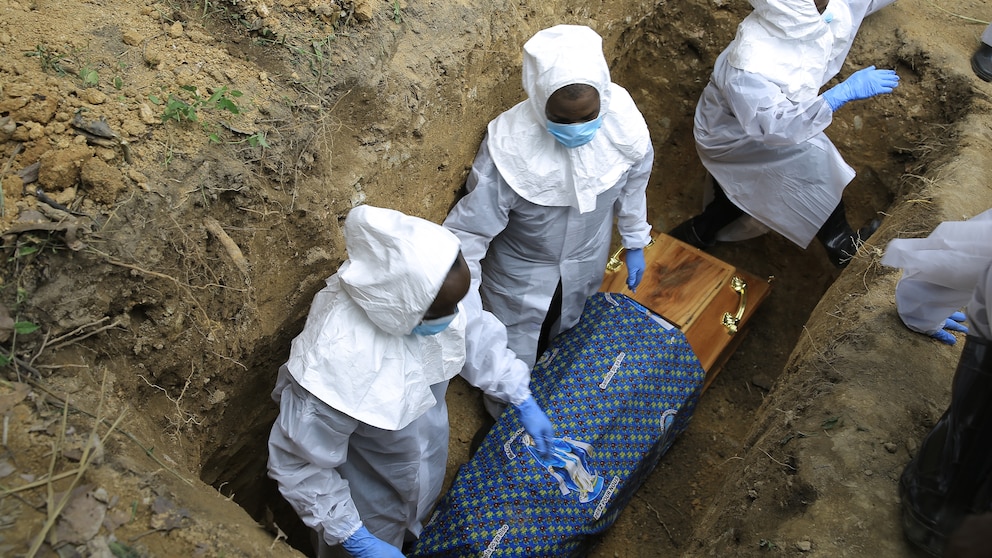
Fighting in eastern Democratic Republic of the Congo has forced health workers responding to an Ebola outbreak to evacuate from affected areas. The situation has raised concerns that the fight to control the deadly virus could be seriously slowed down.
Ebola is a serious disease that spreads through contact with the bodily fluids of infected people. It can cause severe bleeding, fever and, in many cases, death. Teams from health organisations and government agencies are normally responsible for tracking patients, treating the sick and teaching local communities how to stop the disease from spreading. When violence breaks out, these teams often have to stop their work for safety reasons.
Experts warn that when health workers leave, it becomes harder to find new cases quickly and to trace people who may have been in contact with the infected. This can allow the virus to spread further before it is contained. Aid groups are calling for the safe return of staff and for an end to the violence so that the response can continue.
For readers in New Zealand, the situation is a reminder of how conflict and disease can affect each other. New Zealand does not have Ebola cases, but global health organisations rely on international cooperation to stop outbreaks from spreading across borders. Health officials will continue to monitor the situation in the coming weeks.
Sources: ABC News - Breaking News, Latest News and Videos
More New Zealand news
- CDC Loses About 30% of Staff, Turns to Outside Journals for Urgent Warnings
- Genetic Research Leads to New Treatment for Rare Blood Disorder
- New Research Suggests Supplement Urolithin A May Help the Brain Get Oxygen
- Scientists Discover World's Oldest Amber Hidden in Chinese Coal
- Singapore Approves New Blood Test for Multi-Cancer Screening
- Scientists Find New Protein That Helps Hepatitis B Infect the Liver
- New Research Explores Ways to Improve Synthetic mRNA Protein Production
- Rare Eye Nerve Condition Linked to Parvovirus B19 in New Case Report