African Countries Urged to Fund HIV Treatment From Their Own Budgets
Published
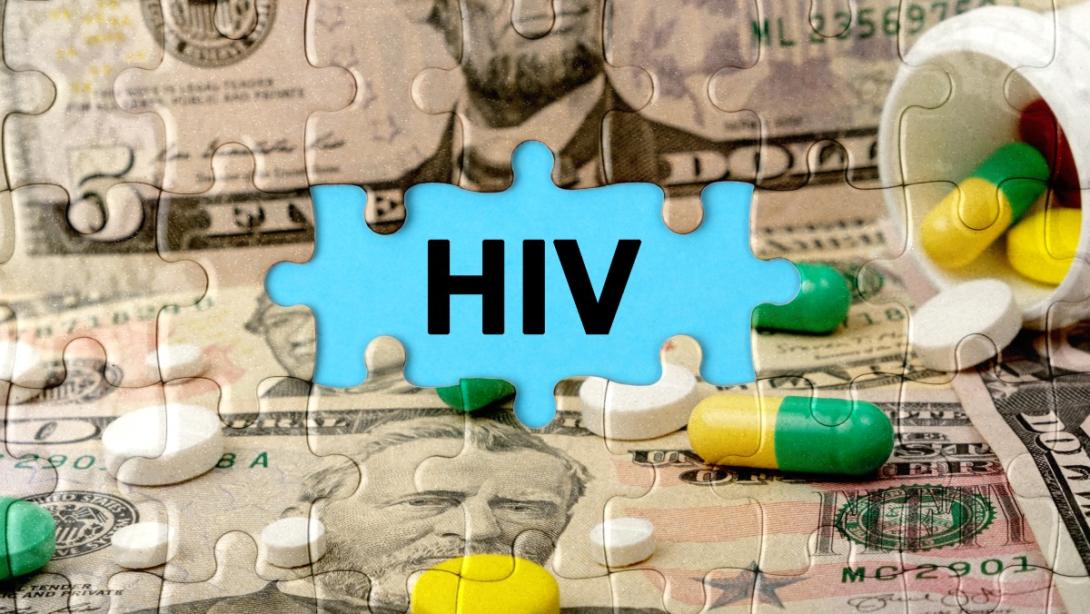
The Economic Commission for Africa (ECA) has called on African countries to include HIV funding in their national budgets. The message was delivered at the Conference on Public Health in Africa (CPHIA) 2026. The ECA says this step is needed to protect HIV treatment for more than 20 million people across the continent.
Many African countries have relied heavily on money from international donors to pay for HIV services, including medicines and testing. The ECA argues that this dependence creates a risk. If donor funding falls or changes, people who need daily treatment could lose access to it. By placing HIV costs in national budgets, governments can make their health programmes more stable and better planned over the long term.
The ECA's message is that African governments should take more responsibility for their own health systems. This means setting aside public money for HIV care and making sure that treatment continues without interruption. The organisation describes this approach as building a "firewall" that protects patients from sudden shortages.
The discussion at CPHIA 2026 shows the wider challenge facing African health leaders as they plan for the future. Protecting treatment for millions of people will require stronger financing and closer coordination between governments and health partners. The ECA's call places the responsibility for this work firmly on national governments.
Sources: Economic Commission for Africa (ECA)
More New Zealand news
- CDC Loses About 30% of Staff, Turns to Outside Journals for Urgent Warnings
- Genetic Research Leads to New Treatment for Rare Blood Disorder
- New Research Suggests Supplement Urolithin A May Help the Brain Get Oxygen
- Scientists Discover World's Oldest Amber Hidden in Chinese Coal
- Singapore Approves New Blood Test for Multi-Cancer Screening
- Scientists Find New Protein That Helps Hepatitis B Infect the Liver
- New Research Explores Ways to Improve Synthetic mRNA Protein Production
- Rare Eye Nerve Condition Linked to Parvovirus B19 in New Case Report