Rare Tumour Case Found Outside the Spine Reported by Medical Journal
Published
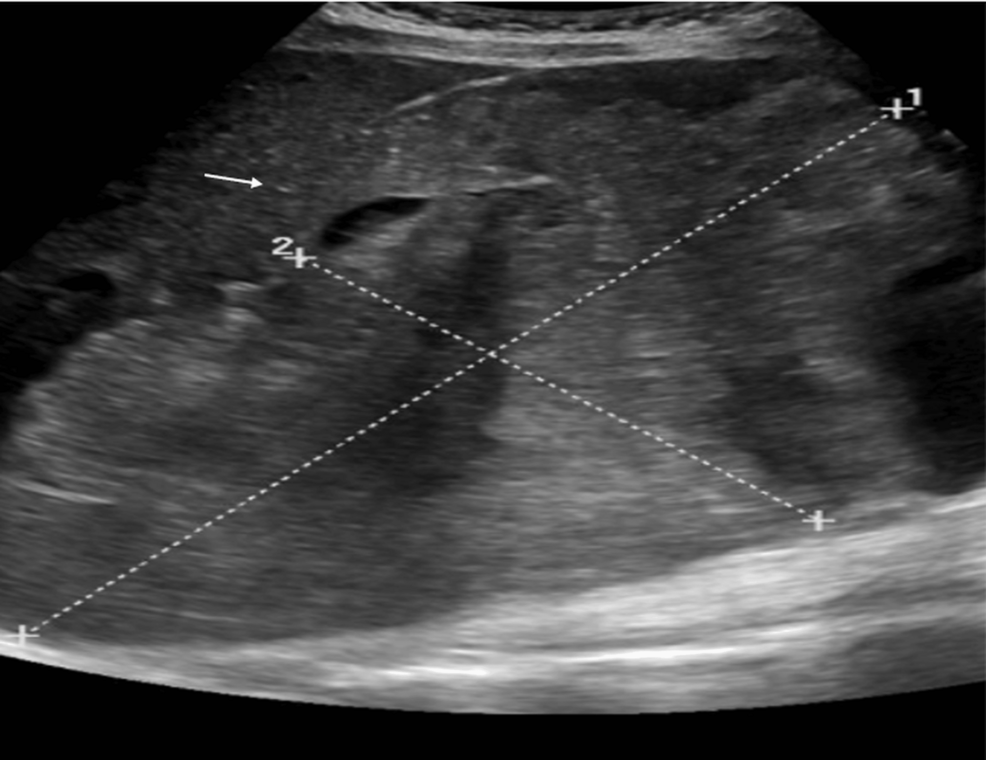
A medical case report published in the journal Cureus describes a rare type of tumour found in the peritoneum, the membrane that lines the abdominal cavity. The tumour is called extraspinal myxopapillary ependymoma, or MPE. It is an uncommon growth that starts in glial cells, which support the nerves in the brain and spinal cord.
Myxopapillary ependymomas usually develop in the central nervous system, especially near the lower part of the spinal cord. Cases that appear outside the central nervous system are very rare. This makes them difficult for doctors to identify, because the symptoms and test results may not match what is normally expected for this type of tumour.
The report focuses on the diagnostic challenge that such a case presents. Doctors must carefully examine tissue samples and consider other conditions that can look similar. Accurate diagnosis is important because it helps doctors decide on the most suitable treatment for each patient.
The case is mainly of interest to medical professionals and researchers. It does not describe a public health risk or a new outbreak, and it has no direct link to New Zealand. However, it adds to the medical understanding of rare tumours and reminds doctors that unusual cases can appear in unexpected parts of the body.
Sources: Cureus
More New Zealand news
- CDC Loses About 30% of Staff, Turns to Outside Journals for Urgent Warnings
- Genetic Research Leads to New Treatment for Rare Blood Disorder
- New Research Suggests Supplement Urolithin A May Help the Brain Get Oxygen
- Scientists Discover World's Oldest Amber Hidden in Chinese Coal
- Singapore Approves New Blood Test for Multi-Cancer Screening
- Scientists Find New Protein That Helps Hepatitis B Infect the Liver
- New Research Explores Ways to Improve Synthetic mRNA Protein Production
- Rare Eye Nerve Condition Linked to Parvovirus B19 in New Case Report